
Losing a tooth changes more than appearance. Chewing may feel uneven, speech can shift, and the empty space may start to affect nearby teeth and the jawbone underneath. For many patients, dental implants are a strong long-term option, but they are not automatically the right choice for every situation.
Understanding dental implants pros and cons can make the decision more realistic. An implant can look and function much like a natural tooth, yet treatment takes planning, healing time, and a healthy foundation in the gums and bone. A thorough dental evaluation looks at comfort, function, long-term value, and whether the mouth is ready for predictable healing.
At Dental Care Center of Hollywood in Hollywood, FL, patients can discuss dental implant options, including same-day solutions when appropriate. The team works with individuals from nearby communities and surrounding areas to determine whether implants are the right fit for their needs.
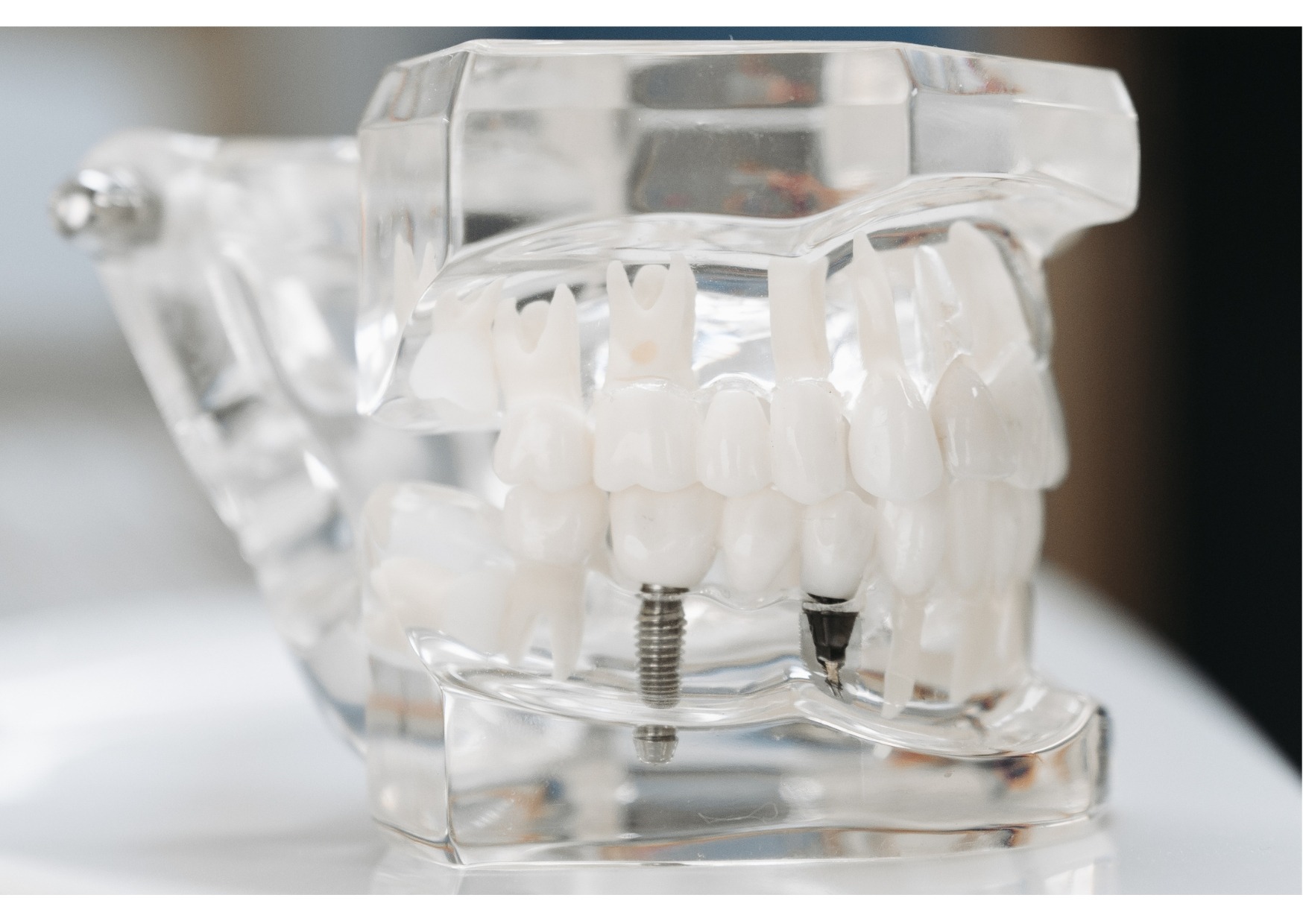
A dental implant is a small titanium or ceramic post placed in the jawbone to replace a missing tooth root. After healing, the implant supports a crown, bridge, or denture. The bone gradually bonds to the implant surface in a process called osseointegration, which means the implant becomes mechanically stable in the jaw.
This is one reason implants feel different from removable options. Instead of resting on the gums, they are anchored in bone. That support can improve chewing efficiency and reduce the movement some patients notice with traditional dentures.
Most implant treatment has three parts:
Not every case follows the same timeline. Some patients qualify for same-day crowns or immediate temporaries, while others need grafting or a longer healing period before the final restoration is attached.
One of the biggest advantages of implants is stability. A well-integrated implant can restore bite support in a way that often feels closer to a natural tooth than a removable appliance. Many patients also like that there is no need to remove a single implant crown at night.
Another major benefit is bone preservation. When a tooth is lost, the jawbone in that area often begins to shrink because it no longer receives normal chewing stimulation. Bone loss after tooth loss can affect facial support and make future treatment more complicated. Implants help transmit chewing forces into the bone, which may slow that collapse.
Implants can also protect neighboring teeth. A traditional bridge often requires reshaping the teeth next to the gap so they can support the replacement. An implant usually stands on its own, which means healthy adjacent teeth may not need to be reduced.
Other common advantages include:
For many patients, the most meaningful benefit is not cosmetic alone. It is the combination of function, comfort, and preservation of the mouth over time.
Implants have real limitations, and they should be discussed openly. The first is that treatment usually involves surgery. Even when placement is straightforward, there is still healing time, follow-up care, and the possibility that additional procedures may be needed.
Healing is not instant. Some techniques, like L-PRF, may help improve soft-tissue healing and support recovery in selected cases.
Cost is another major factor. Implants often have a higher upfront cost than bridges or dentures, especially if bone grafting, sinus augmentation, or multiple restorations are involved. In some cases, though, the long-term value is better because surrounding teeth are preserved and the restoration may last many years.
Some patients want a fast solution, but implant treatment often unfolds over months unless the anatomy and stability allow immediate provisional teeth. Smoking, uncontrolled diabetes, active gum disease, and poor home care can all reduce predictability.
Possible disadvantages include:
Implants also do not behave exactly like natural teeth. They cannot decay, but the tissues around them can become inflamed. That means daily cleaning and regular professional maintenance still matter.
A good implant candidate usually has a missing tooth or teeth, enough bone to support an implant, and gums that are healthy or can be treated to become healthy. Overall health matters too, because healing depends on blood supply, immune response, and the ability to keep the area clean during recovery.
Dentists typically review several factors before recommending treatment:
A 3D scan is often used because it shows bone width, height, and important anatomy more clearly than a standard 2D image. This helps the dentist or specialist decide whether an implant is straightforward or whether grafting is needed first.
Being told that more preparation is needed does not automatically mean implants are a poor option. Often, it means the team is trying to improve long-term success rather than rush treatment.
If a tooth has been missing for a while, the jawbone in that area may have narrowed or become too shallow for ideal implant placement. Bone grafting adds or supports bone volume so the implant has a better foundation. In the upper back jaw, a sinus augmentation may sometimes be recommended when the sinus space is close to the planned implant site.
These added procedures can improve predictability, but they also add time, cost, and healing stages. That is an important part of the dental implants pros and cons discussion. The best plan is not always the fastest plan.
Some patients are surprised to learn that gum shape matters almost as much as bone. If the soft tissue is thin or uneven, the final cosmetic result may be less natural, especially in the front of the mouth where the smile line shows more.
The process usually starts with an exam, imaging, and a discussion of goals. Some patients want to replace one tooth. Others are trying to stabilize a denture or rebuild a larger area after multiple missing teeth. The treatment plan should match the problem, not just the technology.
During implant placement, the area is numbed thoroughly. Many offices also offer sedation options for dental anxiety, which may help patients feel more relaxed during longer or more complex visits. The right comfort approach depends on the procedure, medical history, and the office setup.
After placement, the implant usually needs time to integrate with bone. A temporary tooth may be possible in selected cases, but it is not always safe to place immediate pressure on a new implant. Once healing is adequate, the final crown, bridge, or denture attachment is made.
Follow-up visits are part of the process. The dentist checks healing, bite balance, gum response, and how well the restoration can be cleaned. Those details often determine whether an implant performs well over the long term.
Implants are not the only way to replace missing teeth. A bridge may be a good option when the neighboring teeth already need crowns or when surgery is not preferred. A removable denture may be more practical when many teeth are missing and cost needs to stay lower.
Here is a simple comparison:
| Option | Main Advantage | Main Limitation | Best Fit in Many Cases |
| Dental implant | Preserves bone and does not rely on adjacent teeth | Surgery, healing time, higher upfront cost | Single missing teeth or long-term fixed replacement |
| Dental bridge | Faster than many implant cases | Usually requires reshaping neighboring teeth | A missing tooth between teeth that already need crowns |
| Removable denture | Lower initial cost and replaces multiple teeth | Less stability, may move during eating or speaking | Multiple missing teeth when surgery is not ideal |
| Implant-supported denture | Better retention than a standard denture | More cost and treatment steps than a removable denture alone | Loose lower or upper dentures needing added stability |
There is no universal winner. The best choice depends on anatomy, budget, timeline, and what matters most to the patient in daily life.
Most implant procedures heal without major problems, but complications can happen. Early issues may include bleeding, swelling, bruising, discomfort, or delayed healing. Later problems may include gum inflammation around the implant, bone loss, a loose restoration, or failure of the implant to integrate fully.
A condition called peri-implantitis refers to inflammatory disease around an implant, somewhat similar to advanced gum disease around a natural tooth. It can lead to bone loss if not identified and treated. Peri-implantitis risk factors include poor plaque control, untreated gum disease, and inconsistent maintenance visits.
Arrange prompt dental care if there is:
These signs do not always mean a serious complication, but they deserve professional evaluation. Persistent symptoms should not be managed by guesswork at home.
An implant is not a one-time purchase that can be ignored after placement. The surrounding gum and bone need ongoing care, and the crown or attachment needs periodic review for wear, bite stress, and cleanability. This is especially important for patients who clench or grind, because excessive force can damage components over time.
Daily cleaning around implants is essential, but the exact tools and technique should be tailored by the dental team. Professional maintenance visits help identify inflammation early, before bone loss becomes harder to control. In practice, many implant problems start quietly and become obvious only after damage has progressed.
Prevention also includes protecting the rest of the mouth. If untreated gum disease, dry mouth, fractured teeth, or unstable bite forces remain in place, even a well-done implant may be placed into an unhealthy overall environment.
A useful way to think about implants is to weigh short-term demands against long-term goals. If the priority is the lowest upfront cost or the fastest replacement, another option may fit better. If the priority is preserving bone, avoiding alteration of adjacent teeth, and restoring a more natural feel, an implant may be the stronger choice.
Questions worth asking at a consultation include:
The most responsible treatment plan is individualized. A front tooth, a back molar, and a full-arch case each carry different cosmetic and functional demands, so the same answer does not apply to every missing tooth.
Schedule an evaluation if a tooth is already missing, needs to be removed, or a denture feels unstable enough to affect eating and speaking. Earlier assessment often gives more options, because bone and gum changes tend to progress after tooth loss.
It is also wise to book a visit if a bridge is failing, a gap is causing neighboring teeth to drift, or chewing on one side has become the norm. Waiting does not always rule implants out, but it can make treatment more complex.
If symptoms are severe, worsening, or unclear, a dental exam is the safest next step. General information can help patients understand the decision, but only a clinical evaluation can determine whether implants are appropriate for a specific mouth.
Take the next step toward restoring your smile with guidance tailored to your needs. At Dental Care Center of Hollywood in Hollywood, FL, our team provides personalized dental implant evaluations, advanced treatment planning, and long-term tooth replacement solutions designed for comfort, function, and lasting results.
Call (954) 989-5500 today to schedule your consultation and find out whether dental implants are the right option for your smile.
Most patients report that the procedure is more manageable than expected because the area is numbed well. Some soreness, swelling, and tenderness are common afterward, but severe or worsening pain should be checked.
Implants can last many years and often do very well long term, but no restoration lasts forever without maintenance. Gum health, bite forces, smoking, and home care all influence longevity.
Sometimes, but not always. Implants often preserve adjacent teeth and support bone better, while bridges may be faster and may suit cases where surgery is not ideal.
No. Some patients need gum treatment, bone grafting, or medical clearance first, and some may be better served by another option.
In many cases, yes. Earlier treatment may help preserve bone and simplify planning, though the right timing depends on healing, infection control, and the condition of the site.
| Monday | 8:30 AM – 5:30 PM |
| Tuesday | 8:30 AM – 5:30 PM |
| Wednesday | 8:30 AM – 5:30 PM |
| Thursday | 8:30 AM – 5:30 PM |
| Friday | 8:30 AM – 1:30 PM |
| Saturday | Closed |
| Sunday | Closed |