
Stains on teeth can build up slowly, then suddenly feel hard to ignore in photos, at work, or during everyday conversations. For many patients, the main question is simple: which teeth whitening options are safe, effective, and worth the time?
The answer depends on why the teeth look darker, how sensitive the teeth already are, and whether the color change is on the surface or deeper inside the tooth. A dental exam can help identify the cause before you spend time and money on the wrong approach.
Dental Care Center of Hollywood offers professional teeth whitening in Hollywood, FL and provides the kind of safe, supervised whitening options described above.
Not all tooth stains are the same. Some are external stains on the enamel, the hard outer layer of the tooth, while others are internal color changes within the tooth itself.
Coffee, tea, red wine, tobacco, and strongly pigmented foods often cause surface staining over time. Aging also plays a role because enamel can thin, allowing the naturally darker dentin underneath to show through more clearly.
In some cases, discoloration is linked to prior trauma, certain medications, older dental materials, or tooth decay. That is one reason whitening should not be treated as a one-size-fits-all fix.
If one tooth is much darker than the others, or if the color change appeared quickly, a dental evaluation is important. A single dark tooth may point to a problem that whitening alone will not correct.
Most whitening methods use peroxide-based ingredients to break apart stain molecules. The main differences involve strength, fit, speed, supervision, and how predictable the result is. The ADA provides a helpful overview of common whitening methods.
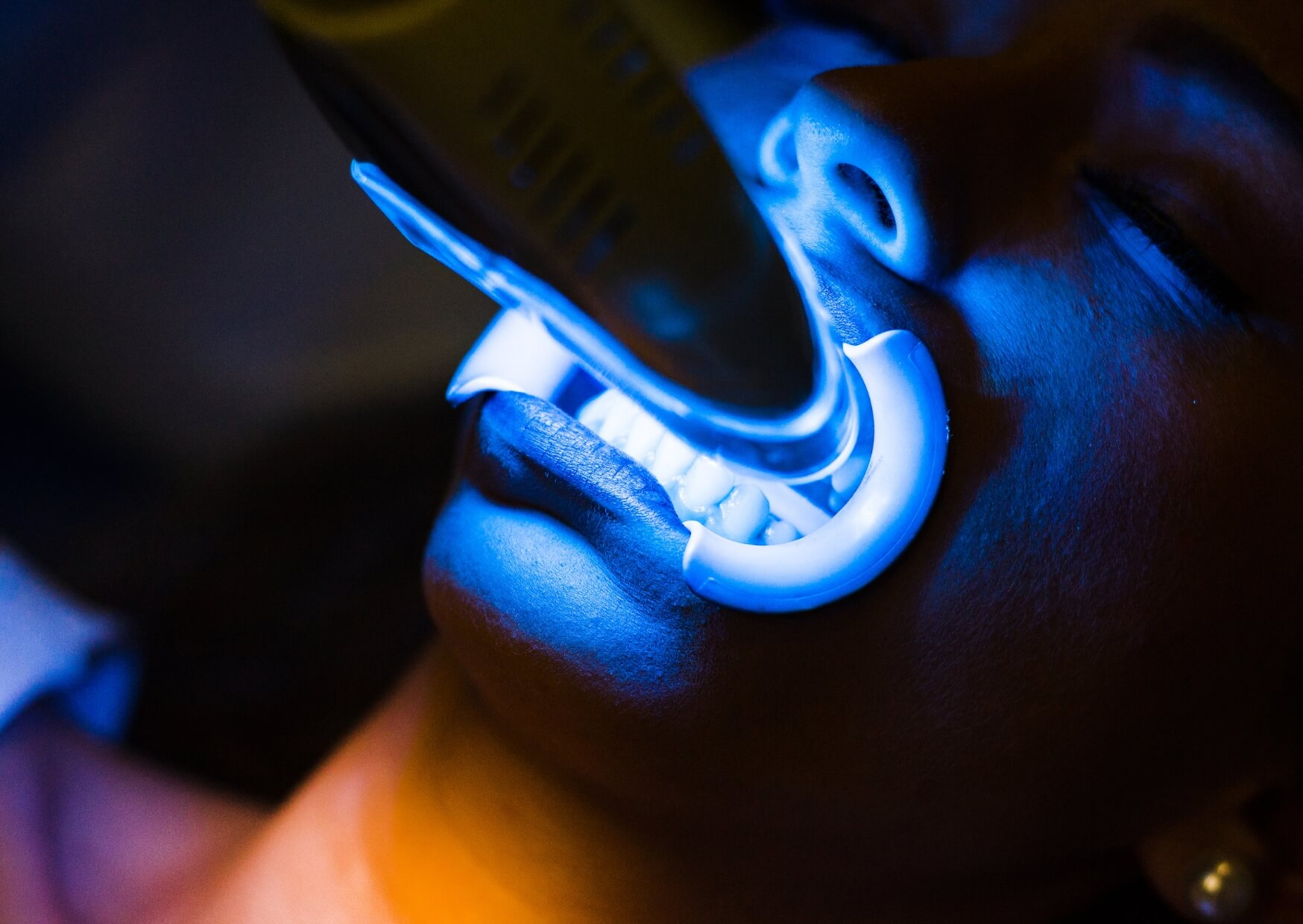
Professional in-office whitening is usually the fastest option. A dentist applies the whitening gel in a controlled setting and protects the gums and other soft tissues during treatment.
This option is often chosen before weddings, interviews, reunions, or other events when patients want a noticeable change quickly. It can also be a better choice when sensitivity, uneven color, or existing dental work make closer supervision important.
Custom trays are made to fit the teeth closely, which helps keep the whitening gel where it should be and reduces leakage onto the gums. Many dentists consider this one of the best balances of convenience, safety, and control.
Results usually develop more gradually than with in-office treatment. For many patients, that slower pace makes the process easier to manage and maintain.
Store-bought products can help with mild to moderate surface staining. They are widely available and usually cost less, but the fit is less precise and the results can be less even.
These products may work reasonably well for some patients, especially when the teeth are otherwise healthy and the staining is fairly light. They are less ideal when there are crowns, bonding, gum recession, or a history of tooth sensitivity.
Whitening toothpastes mainly help remove external stains rather than change the natural internal tooth color. They can be useful for maintenance, but they do not usually create the same level of brightening as peroxide-based whitening.
Some abrasive products can wear enamel over time if they are used too aggressively. That is why it helps to ask a dentist which products make sense for regular use.
Some discoloration does not respond well to bleaching. Deep internal stains, patchy enamel defects, and mismatched older restorations may be better managed with porcelain veneers or with bonding or crowns.
This matters because whitening does not change the color of fillings, crowns, or veneers. Existing dental work will not whiten along with natural enamel. If front teeth already have visible dental work, the treatment plan may need to account for color matching after whitening.
For broader smile changes that go beyond whitening, consider our cosmetic dental treatments.
The best option is usually the one that matches the cause of discoloration and the condition of the teeth. In-office treatment is faster, while custom take-home trays often offer strong results with more flexibility.
Over-the-counter products can be reasonable for mild staining, but they are easier to misuse and less tailored. Patients often get better results when whitening is planned around their actual dental needs, not just the product they saw online.
If there are cavities, worn enamel, exposed roots, cracked teeth, or untreated gum disease, whitening may need to wait. Treating those issues first is basic risk reduction and usually leads to a better result.
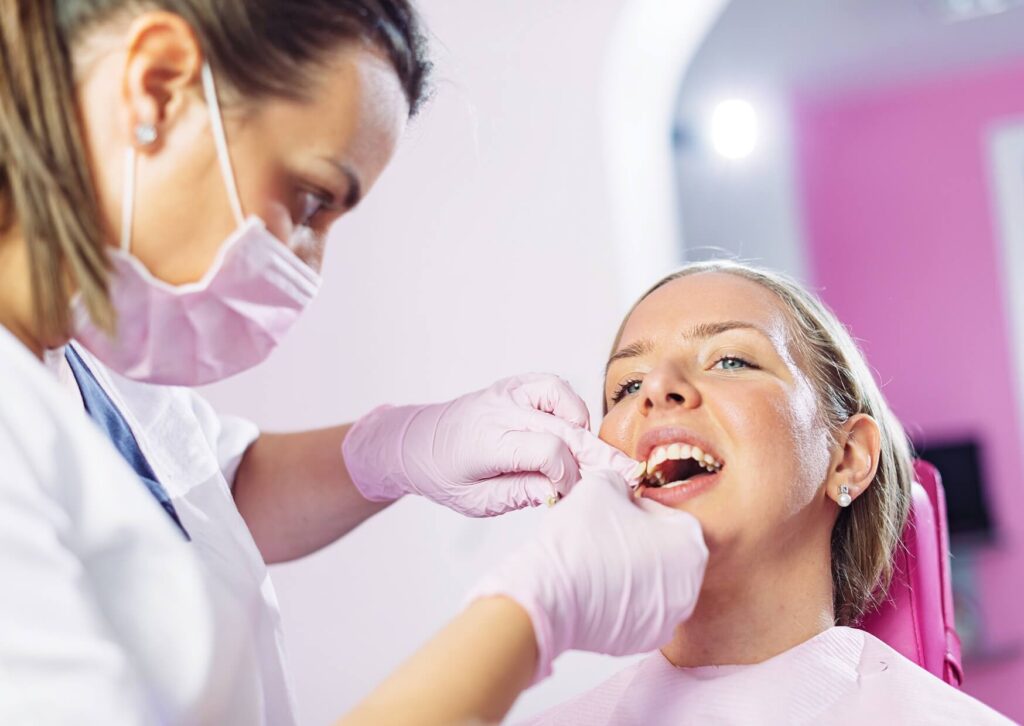
A whitening visit usually starts with an exam and a conversation about your goals. The dentist looks for decay, leaking fillings, gum irritation, enamel wear, and existing restorations that may affect the final appearance. Routine dental exams & cleanings often come first so the dentist can remove surface stains and confirm whitening is safe.
Photos or a shade guide may be used to track the starting color. This helps set realistic expectations, especially when teeth are naturally more yellow-gray or when staining has built up over many years.
If in-office whitening is chosen, the gums are protected and the whitening material is applied for a controlled period. Some offices also offer comfort measures such as desensitizing products, breaks during treatment, or sedation options for anxious patients when other dental care is being done at the same visit.
Not every patient is a candidate for same-day whitening. If a toothache, swelling, a broken filling, or active decay is present, the dentist may recommend treating the health issue first.
Temporary sensitivity is one of the most common side effects of whitening. Teeth may feel more reactive to cold air, cold drinks, or sweets for a short time after treatment.
Gum irritation can also happen, especially if whitening material contacts the soft tissues. That risk is generally lower when treatment is supervised or when trays fit properly.
Whitening is usually safe when used appropriately, but more is not always better. Repeated or poorly guided use can increase sensitivity and irritate the gums without producing a better cosmetic result.
Results vary from person to person. Yellow-toned teeth often respond better than gray-toned teeth, and old crowns or fillings will not whiten along with natural enamel.
Dentists usually look beyond the initial brightening result. The goal is a healthy smile that stays stable without repeated cycles of irritation, sensitivity, or unnecessary product use.
Maintenance often includes routine cleanings, daily brushing with a non-abrasive toothpaste, and limiting frequent exposure to staining agents when possible. Small habits matter, especially for patients who sip coffee throughout the day, use tobacco, or have dry mouth.
Prevention also means identifying why the color changed in the first place. If grinding, acid wear, old restorations, or gum recession are part of the picture, whitening alone will not address the full problem.
A good treatment choice depends on the current shade of the teeth, the type of staining, the presence of restorations, and how quickly results are needed. Budget matters too, but the cheapest option is not always the most efficient if it leads to uneven results or avoidable sensitivity.
Professional guidance becomes especially important when discoloration is severe, one tooth looks different, or the mouth already has crowns, veneers, or bonding on visible teeth. In those situations, a whitening plan should be coordinated with overall dental care.
If the goal is a brighter smile for an upcoming event, it helps to schedule early rather than wait until the last week. That leaves time to manage sensitivity, decide whether whitening is enough, and make any needed adjustments.
Schedule a dental visit if tooth discoloration is bothering you, if store-bought products have not worked, or if you are unsure which whitening method fits your teeth. A professional exam can often prevent frustration and help you avoid treatments that are unlikely to work well.
Do not wait on an evaluation if discoloration is paired with pain, swelling, a bad taste, a loose tooth, or a single tooth that suddenly turns dark. These are red flags that may signal infection, trauma, or another issue that needs treatment before cosmetic whitening is considered.
For patients who want a safer, more predictable result, whitening is usually best approached as part of overall dental care rather than as a quick standalone purchase. That conversation can help clarify what is realistic now, what may need to be treated first, and which option makes the most sense for long-term results.
Dental Care Center of Hollywood offers professional teeth whitening in Hollywood, FL and serves patients from nearby Hallandale Beach and Pembroke Pines; call (954) 989-5500 to schedule.
It can be, especially when staining is moderate to heavy, the teeth are sensitive, or there are crowns or fillings on visible teeth. Professional whitening is more customized and usually more predictable.
Results vary based on diet, tobacco use, oral hygiene, and the type of whitening used. Many patients find that maintenance and regular cleanings help the brighter shade last longer.
No. Whitening changes natural tooth color, but it does not lighten crowns, veneers, fillings, or bonding materials.
Mild temporary sensitivity is common. If sensitivity is significant, lasts longer than expected, or is paired with pain in one specific tooth, a dentist should evaluate it.
Not always. Patients with untreated decay, gum disease, exposed roots, cracked teeth, or certain types of discoloration may need other dental treatment first.
| Monday | 8:30 AM – 5:30 PM |
| Tuesday | 8:30 AM – 5:30 PM |
| Wednesday | 8:30 AM – 5:30 PM |
| Thursday | 8:30 AM – 5:30 PM |
| Friday | 8:30 AM – 1:30 PM |
| Saturday | Closed |
| Sunday | Closed |