
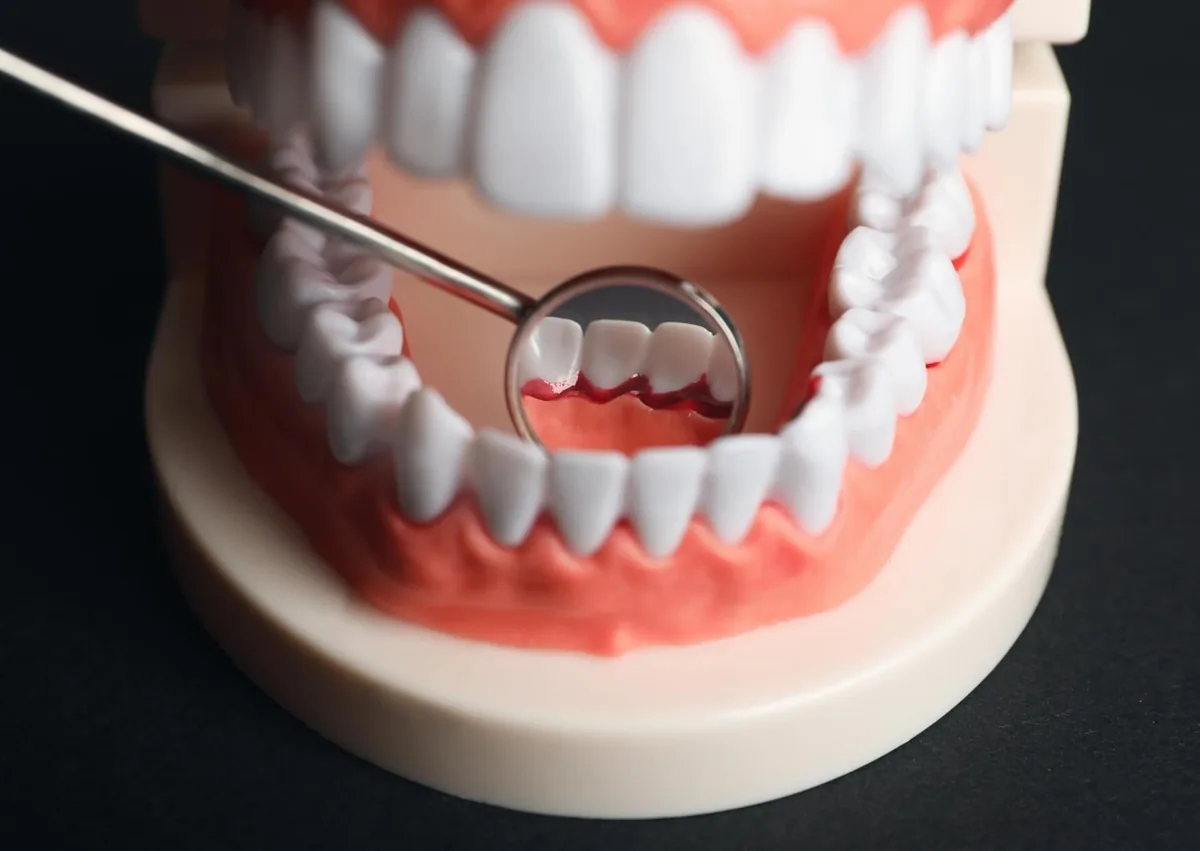
Bleeding gums after brushing can be easy to ignore, but it often signals gum disease. Gingivitis is the early, reversible stage of gum inflammation, while periodontitis is a more advanced form that can damage the bone and tissues supporting your teeth.
The key difference is that gingivitis affects the gums only, while periodontitis involves deeper damage that usually needs more than a routine cleaning.
If you're noticing bleeding, swelling, or persistent bad breath, a dental exam and cleaning can clarify whether the problem is gingivitis or something more serious. Early evaluation and professional cleaning remove the buildup that causes gum problems and help you keep teeth healthy at Dental Care Center of Hollywood in Hollywood, FL.
Both gingivitis and periodontitis usually start with plaque, a sticky film of bacteria that collects around the gumline. If plaque is not removed well each day, it can harden into tartar, which cannot be brushed or flossed away at home.
Gingivitis means the gums are inflamed, but the bone and connective tissue around the teeth have not been permanently damaged. It is often reversible with professional cleaning and better daily plaque control.
Periodontitis develops when inflammation continues long enough to affect the tissues and bone that hold teeth in place. As the gums pull away from the teeth, deeper spaces called periodontal pockets can form and trap more bacteria.
The main cause of both conditions is bacterial plaque that stays on the teeth and along the gumline. Tartar buildup makes the problem worse because it gives bacteria a rough surface to cling to.
Several factors can increase risk, including smoking or vaping, diabetes, dry mouth, hormonal changes, certain medications, genetics, crowded teeth, and dental work that is harder to clean around. These factors do not confirm gum disease, but they can make it more likely to develop or harder to control.
The biggest difference is whether the supporting structures around the teeth have been damaged. Gingivitis does not cause bone loss, while periodontitis does.
|
Feature |
Gingivitis |
Periodontitis |
|---|---|---|
|
Area affected |
Gum tissue |
Gums, supporting ligament, and bone |
|
Common signs |
Redness, swelling, bleeding |
Recession, deeper pockets, tooth movement, changes in bite |
|
Bone loss |
No |
Yes |
|
General outlook |
Usually reversible |
Usually controllable, but lost support may not fully return |
|
Typical care |
Professional cleaning and better plaque control |
Deep cleaning, possible surgery, and maintenance |
Common signs of gingivitis include red, puffy, or tender gums, bleeding when brushing or flossing, and bad breath. Some people have few symptoms, which is one reason routine exams matter.
Signs that may point to periodontitis include gum recession, pus near the gumline, spaces opening between teeth, loose teeth, or a change in how the teeth fit together. It is important to know that periodontitis is not always painful.
A dentist or hygienist checks the gums for plaque, tartar, bleeding, swelling, recession, and tooth mobility. They also review your symptoms, medical history, medications, and tobacco use because these can affect healing and disease risk.
A small measuring tool called a periodontal probe helps measure the space between the tooth and gum. Deeper pocket measurements, bleeding during probing, and attachment loss can suggest periodontitis.
Dental X-rays may also be needed to look for bone loss around the teeth. Together, the exam and imaging help distinguish reversible gingivitis from periodontitis that needs more involved treatment.
Gingivitis is often treated with a routine professional cleaning and improved home care. Your dentist may also point out areas that trap plaque, such as tartar buildup, crowded teeth, or rough dental work.
Periodontitis usually requires scaling and root planing, also called a deep cleaning. This treatment removes bacteria and deposits below the gumline and helps the tissues heal against cleaner root surfaces.
If deeper pockets or more advanced damage remain, referral for periodontal disease treatment may be appropriate. In some cases, a periodontist may recommend procedures such as pocket reduction, regenerative treatment, soft tissue grafting, or oral surgery.
After periodontitis treatment, ongoing periodontal maintenance is essential. These visits are often scheduled more often than standard cleanings to help control bacteria below the gumline and watch for signs of recurrence.
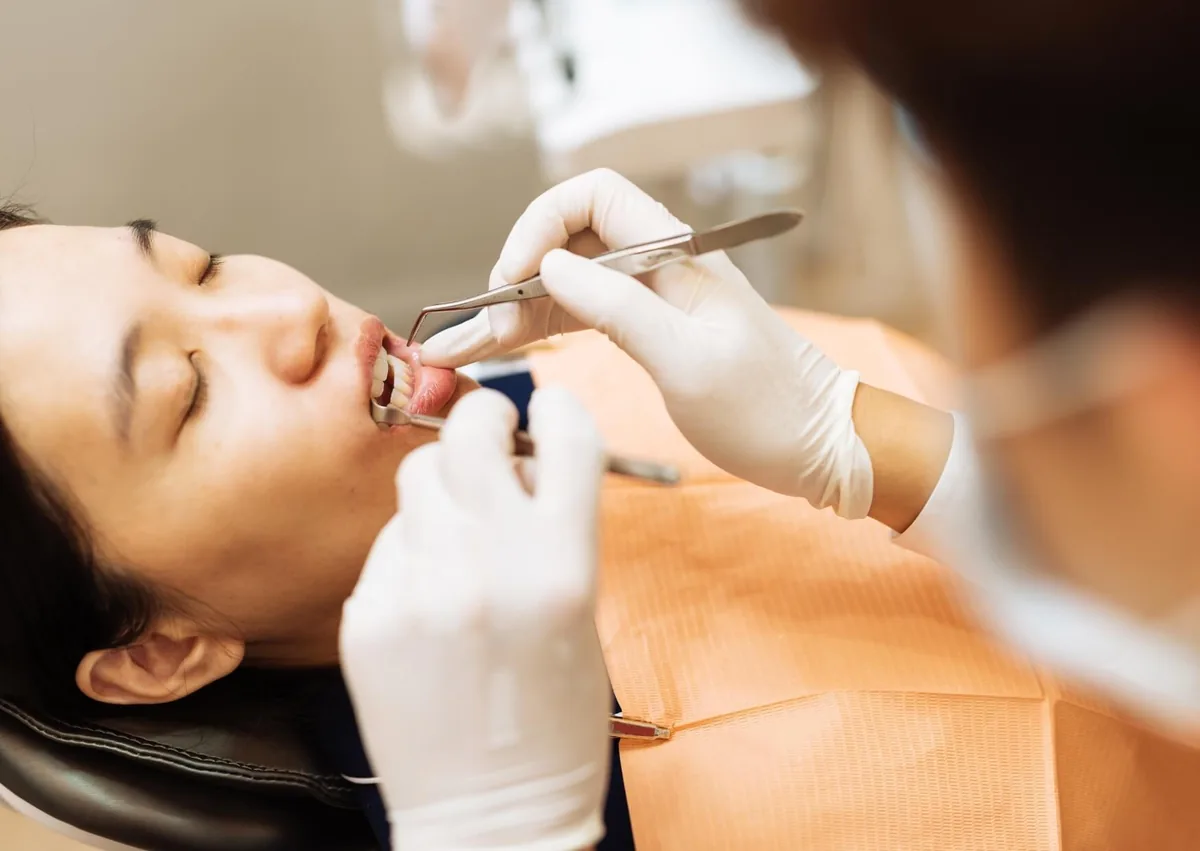
Your dental team will explain which areas are affected and whether treatment can be done in one visit or divided into sections. A routine cleaning may sometimes be completed the same day as the exam, and deep cleaning may also begin that day when appropriate.
For comfort, local anesthetic can numb the area during deep cleaning. Depending on the office and your health history, options may also include topical numbing gel, breaks during treatment, or sedation such as nitrous oxide.
After treatment, mild tenderness, bleeding, or sensitivity can happen for a short time. You should receive aftercare instructions and a follow-up plan to check whether the gums are healing and pocket depths are improving.
Daily plaque removal is the foundation of prevention. Brush twice a day with fluoride toothpaste and clean between the teeth every day with floss, interdental brushes, a water flosser, or another tool recommended for your mouth.
Professional care is still important because tartar cannot be removed at home. Regular exams and cleanings help catch inflammation early and allow the dentist to adjust your recall schedule based on your risk.
Avoiding tobacco, managing diabetes, and addressing dry mouth can also improve gum health. Mouthwash may support a broader plan, but it does not replace brushing, interdental cleaning, and professional treatment.
The right treatment depends on the diagnosis, the amount of attachment or bone loss, your medical history, and how well the result can be maintained. A routine cleaning may be enough for gingivitis, but it does not treat established deposits deep in periodontal pockets.
Ask your dentist to explain the findings, X-rays, treatment options, number of visits, and maintenance plan. If surgery or complex care is being considered, it is reasonable to ask whether seeing a periodontist would help.
Schedule a dental visit if bleeding lasts more than a week or two despite gentle, thorough cleaning. You should also be seen if swelling, bad breath, tenderness, or gum recession continues or gets worse.
Seek prompt dental care for a loose adult tooth, pus, rapidly increasing swelling, severe pain, or fever. If swelling affects breathing or swallowing, seek emergency care right away.
To protect your teeth and stop disease progression, start with a dental exam and cleaning so your provider can recommend any necessary periodontal care. Dental Care Center of Hollywood focuses on dental exams and cleanings in Hollywood, FL and nearby Hollywood Hills and Emerald Hills; call (954) 989-5500 to schedule an appointment.
Yes, untreated gingivitis can progress to periodontitis, although it does not happen in every person. Early professional care and effective daily plaque removal can often stop and reverse gingivitis before deeper support is damaged. See how to fix gingivitis for step-by-step care.
The infection and inflammation can often be controlled, but bone and attachment already lost do not usually return on their own. In selected cases, regenerative procedures may help restore some support.
Bleeding gums often result from plaque-related inflammation, but irritation, hormonal changes, some health conditions, and certain medications can also play a role. Persistent or unexplained bleeding should be evaluated rather than self-diagnosed.
Bacteria associated with gum disease can be shared through saliva, but periodontitis is not considered contagious in the same way as a cold. Whether it develops also depends on oral hygiene, tobacco use, health conditions, genetics, and the body's inflammatory response.
The timing depends on disease severity, treatment response, home care, smoking status, diabetes control, and other risk factors. Many patients need visits more often than the standard twice-yearly schedule, but the treating dentist or periodontist should set the interval.
| Monday | 8:30 AM – 5:30 PM |
| Tuesday | 8:30 AM – 5:30 PM |
| Wednesday | 8:30 AM – 5:30 PM |
| Thursday | 8:30 AM – 5:30 PM |
| Friday | 8:30 AM – 1:30 PM |
| Saturday | Closed |
| Sunday | Closed |