

The best way to prevent cavities is to brush twice a day with fluoride toothpaste, clean between your teeth every day, limit frequent sugar and acid exposure, and keep regular dental exams & cleanings. These habits help stop early tooth decay before it leads to sensitivity, pain, a broken tooth, or more extensive treatment.
If you're concerned about preventing new cavities or catching early decay, regular dental exams & cleanings can tailor prevention to your risk and stop small problems before they need more treatment. Dental Care Center of Hollywood in Hollywood, FL provides calm, preventive-focused care to help preserve natural teeth.
Cavities develop when bacteria in plaque feed on sugars and starches from food and drinks. That process creates acid, and repeated acid attacks pull minerals out of enamel, the hard outer layer of the tooth.
At first, this damage may not cause pain. As decay moves deeper into dentin, the tooth may become sensitive to sweets, cold, or heat, and advanced decay can lead to pain, infection, or fracture.
Some people have a higher cavity risk than others. Common factors include dry mouth, frequent snacking, exposed roots, deep grooves in molars, crowded teeth, braces, and a history of past cavities.
Brush for two minutes twice a day with a soft-bristled toothbrush and fluoride toothpaste. Fluoride helps strengthen weakened enamel and can support repair of very early mineral loss before a cavity forms.
After brushing, spit out the extra toothpaste instead of rinsing right away unless your dentist tells you otherwise. Replace a worn toothbrush or brush head regularly, and use gentle pressure to protect the gums and exposed root surfaces.
Clean between your teeth once a day with floss, an interdental brush, or another tool recommended by a dental professional. Toothbrush bristles usually cannot clean where teeth touch, which is a common place for cavities to start.
Children often need help brushing until they can clean every tooth surface well. A dentist or pediatrician can recommend the right amount of fluoride toothpaste based on age and local water fluoride levels.
How often your teeth are exposed to sugar can matter as much as how much sugar you eat. Sugar frequency from frequent snacks or drinks can keep your mouth in an acid-producing cycle.
Try to have sugary or sticky foods with meals instead of grazing on them throughout the day. Water, especially fluoridated tap water when available, is usually the best everyday drink for cavity prevention.
Acidic drinks can also weaken enamel, even without sugar. Avoid holding or swishing them in your mouth, and wait about 30 minutes before brushing so enamel has time to reharden.
Dry mouth also raises cavity risk because saliva helps wash away food, buffer acids, and return minerals to teeth. Ongoing dryness may be linked to medications, health conditions, dehydration, or mouth breathing and should be discussed with a dentist or physician.
Routine exams can catch plaque buildup, weak enamel, gum recession, damaged fillings, and other risk factors before symptoms begin. Digital x-rays may also be recommended because some decay between teeth or under restorations cannot be seen during a visual exam.
Professional cleanings remove hardened tartar that brushing and flossing cannot remove at home. Your dental team can also show you better cleaning techniques and recommend products for braces, implants, sensitive teeth, dry mouth, or limited hand dexterity.
|
Preventive Service |
How It May Help |
Who May Benefit |
|---|---|---|
|
fluoride treatment |
Strengthens enamel and supports remineralization |
Children and adults at increased cavity risk |
|
Cover deep grooves where food and plaque collect |
Often children and teens, and some adults |
|
|
Prescription fluoride products |
Provide more fluoride than standard products |
People with high cavity risk when prescribed |
|
Customized recall visits |
Monitor changes at an appropriate interval |
People whose risk requires closer follow-up |
Dental sealants are thin protective coatings usually placed on the chewing surfaces of molars. They do not replace brushing or fluoride, and they should be checked over time because they can wear down or chip.
If a dentist finds possible decay, the visit usually includes an exam, a review of symptoms and health history, and sometimes an X-ray. The recommended treatment depends on how deep the decay is, where it is located, how much healthy tooth remains, and whether the nerve is involved.
Very early enamel damage may be managed without drilling through better plaque control, fluoride, and diet changes with professional monitoring. Once decay creates an actual hole, a filling is usually needed because enamel cannot regrow and close the space.
If the tooth is more damaged, a crown may be recommended to cover and strengthen it. If decay reaches the pulp, often appearing as an infected tooth, root canal treatment may be considered, and a tooth that cannot be restored may need to be removed.
Local anesthetic is commonly used to numb the area during treatment. For patients with significant anxiety or more complex needs, some offices also offer nitrous oxide or other sedation options after reviewing health history, safety considerations, transportation needs, and fasting instructions when relevant.
Many fillings and some crowns can be completed in one visit, although same-day treatment depends on the office, the condition of the tooth, and available technology. In some cases, a temporary restoration is placed while a final crown is made or the tooth is monitored.
Dentists usually try to preserve as much healthy tooth structure as possible while stopping decay and restoring comfortable function. Treating a small cavity early is often simpler and more conservative than waiting until the tooth becomes painful, broken, or infected.
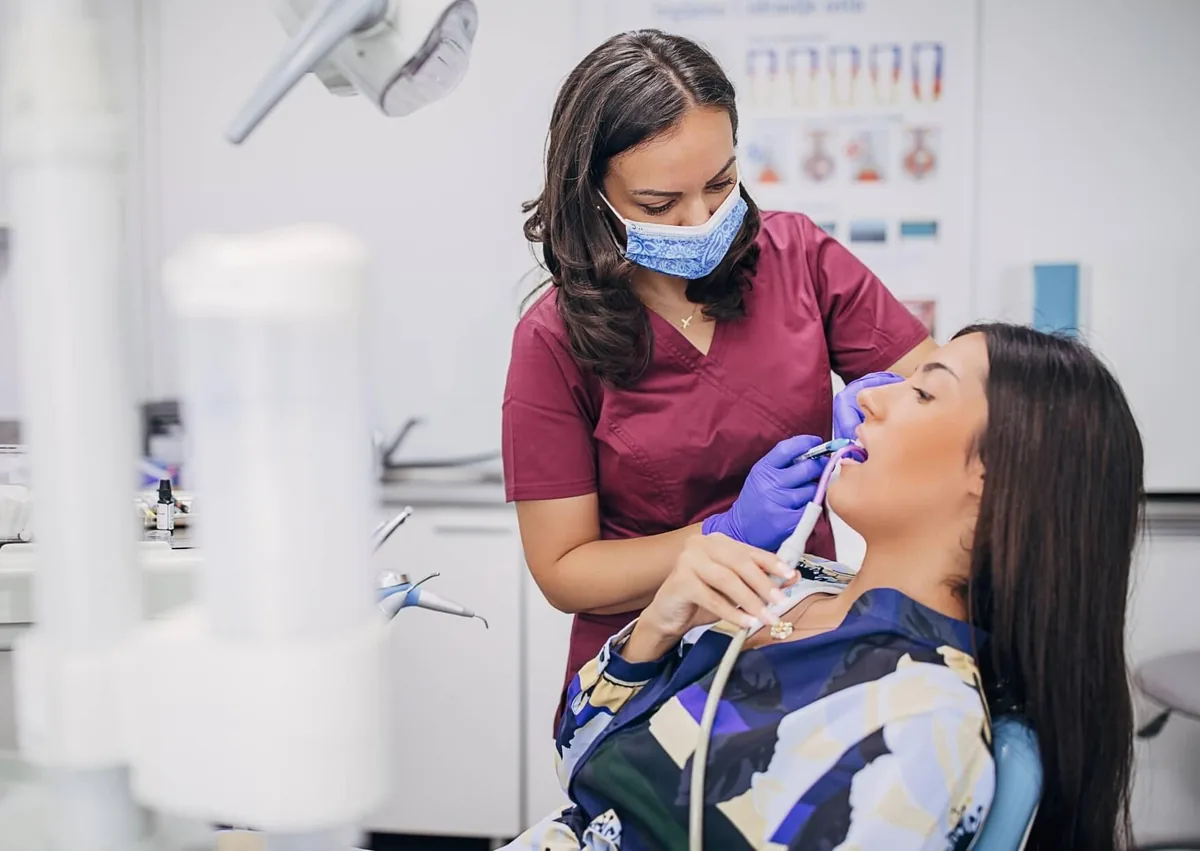
The right treatment should match the amount of damage, the strength of the tooth, appearance goals, cost, and expected durability. It is reasonable to ask why a treatment is recommended, what alternatives exist, how long each option may last, and what could happen if you delay care.
Even after a filling, crown, or root canal, cavity prevention still matters. New decay can form around restoration edges or on other teeth if the underlying risk factors are not addressed.
A long-term prevention plan may include fluoride, sealants, dry-mouth management, diet changes, and a recall schedule based on your personal risk. That preventive focus helps protect both natural teeth and existing dental work.
Schedule a dental visit if you notice new sensitivity, pain when biting, a rough spot, a visible hole (see what a cavity looks like), food repeatedly catching around a tooth, or a lost or broken filling. Persistent bad taste, swelling, or pain that wakes you up can point to a deeper problem and should be checked promptly.
Seek urgent dental or medical care for rapidly increasing facial swelling, fever with dental pain, uncontrolled bleeding, difficulty swallowing or breathing, swelling near the eye, or signs of a spreading infection. Trouble breathing or swallowing should be treated as an emergency.
Even without symptoms, routine visits help a dentist tailor prevention to your cavity risk and catch changes early. If cost, anxiety, pregnancy, health conditions, or past dental experiences affect your decisions, let the dental team know so they can discuss practical options.
If you have new sensitivity, visible holes, or recurring fillings, a focused dental exam can identify problems early and outline conservative treatment options. Call Dental Care Center of Hollywood for dental exams & cleanings in Hollywood, FL and nearby Hollywood Hills and Emerald Hills at (954) 989-5500 to schedule care.
An early area of mineral loss that has not yet formed a hole may sometimes be stopped or reversed with fluoride, better cleaning, and less acid exposure. Once a true opening forms in the tooth, it usually needs a dental restoration.
Fluoride is safe and effective when used as directed. Young children should use an age-appropriate amount of toothpaste and be supervised to reduce swallowing, while stronger products should be used only with professional guidance.
The right schedule depends on your cavity risk, gum health, age, medical history, and past treatment needs. Some people need closer monitoring, while others may do well with longer intervals between visits.
Sugar-free gum can help by stimulating saliva, especially after meals when brushing is not possible. It can be a useful extra step, but it does not replace fluoride toothpaste, cleaning between teeth, or regular dental care.
Brushing alone may miss plaque between teeth, along the gumline, around dental work, or near braces. Frequent sugar exposure, dry mouth, not getting enough fluoride, brushing technique, and individual risk factors can also play a role.
| Monday | 8:30 AM – 5:30 PM |
| Tuesday | 8:30 AM – 5:30 PM |
| Wednesday | 8:30 AM – 5:30 PM |
| Thursday | 8:30 AM – 5:30 PM |
| Friday | 8:30 AM – 1:30 PM |
| Saturday | Closed |
| Sunday | Closed |