
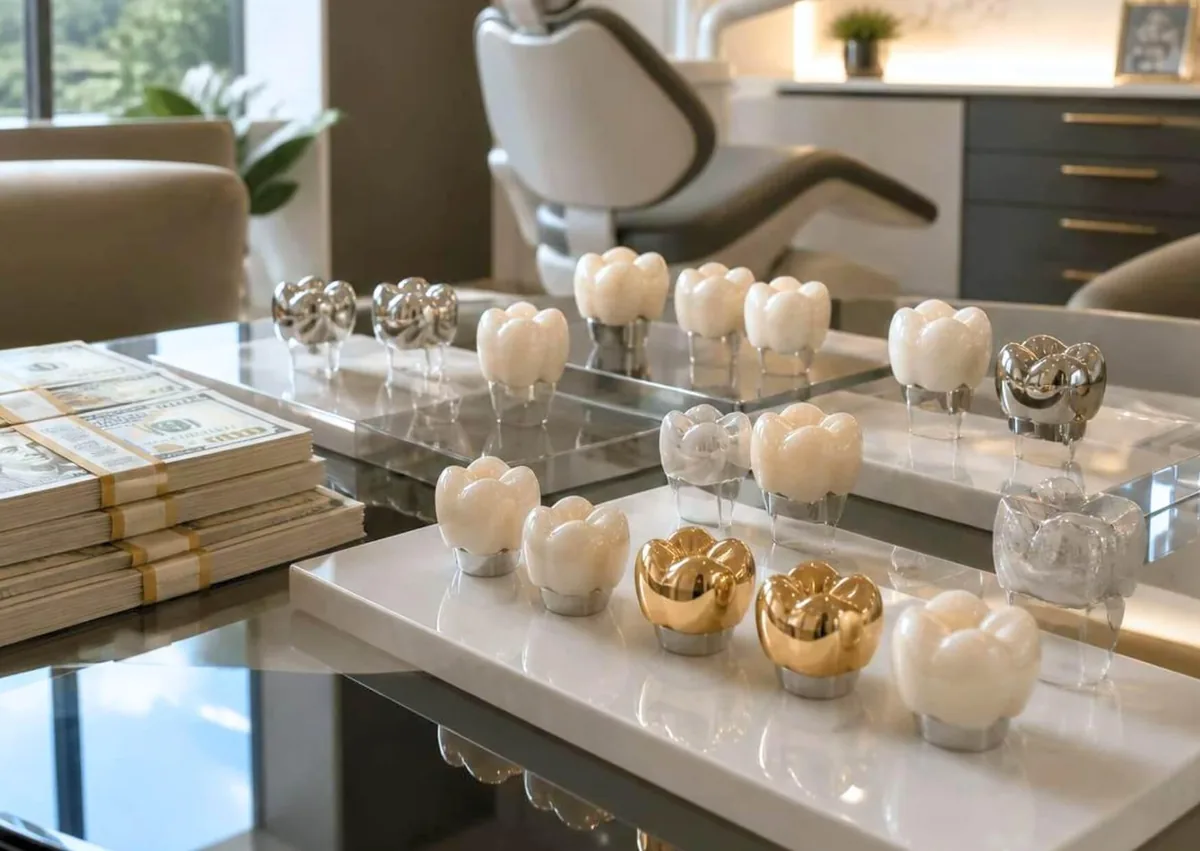
If you have a cracked tooth, a large broken filling, or pain when you bite, you may be wondering whether a crown is the right fix and what it will cost. In most cases, dental crowns cost about $800 to $3,000 per tooth before insurance, with the final fee depending on the material, the tooth involved, whether same-day technology is used, and whether the tooth needs other treatment first.
Dental crowns cover and protect the visible part of a damaged tooth. An exam and digital x-rays help determine whether a crown is appropriate and which material best fits your needs.
If you're weighing materials, longevity, or the need to protect a weakened tooth, learning about crowns can clarify which option fits your oral health goals. Dental Care Center of Hollywood in Hollywood, FL can help you compare aesthetic and strength trade-offs to choose a crown that suits your needs.
Dentists often recommend a crown when a tooth has lost too much structure for a filling to hold up well over time. Common reasons include extensive decay, a fracture, a very large filling, severe wear, or the need to protect a tooth after root canal treatment.
If you are dealing with extensive decay, it may help to understand what a cavity looks like. In other cases, a crown may be used to improve the shape or appearance of a tooth that is worn, malformed, or badly discolored.
A crown does not strengthen the tooth biologically. It works by covering weakened tooth structure and helping the tooth handle chewing forces more evenly.
Not every damaged tooth needs a crown. Depending on how much healthy structure remains, a filling, inlay, onlay, veneer, root canal treatment, or extraction followed by tooth replacement may be more appropriate, and some cases may lead to a discussion of oral surgery.
Crown fees vary widely across the United States, so the numbers below are broad estimates rather than quotes. They usually reflect the crown itself and may not include the exam, X-rays, buildup, root canal treatment, gum treatment, temporary crown, sedation, or implant-related parts.
A general cost guide can help explain why fees differ by material and case details. Material matters, but so do the condition of the tooth, the lab or in-office technology used, and how much preparation is needed.
|
Crown Type |
Typical Self-Pay Range Per Tooth |
Common Advantages |
Important Considerations |
|---|---|---|---|
|
Porcelain-fused-to-metal |
$800 to $2,400 |
Strength with a tooth-colored exterior |
Porcelain can chip, and a dark edge may show near the gum over time |
|
All-ceramic or porcelain |
$1,000 to $3,000 |
Natural color and translucency, especially for front teeth |
Strength and wear characteristics vary by ceramic type |
|
Zirconia |
$1,000 to $3,000 |
High strength with a tooth-colored look |
May be less translucent than some ceramics; design and polishing matter |
|
Gold or other metal alloy |
$900 to $2,500 or more |
Durable and conservative of tooth structure in some cases |
Metallic color and alloy cost may limit appeal or availability |
|
Resin |
$600 to $1,500 |
Lower upfront cost in some settings |
Usually wears or fractures sooner, so it is less common for long-term use |
These ranges overlap because the material is only one part of the total fee. Regional pricing, dentist and lab fees, customization, and whether the crown is made in one visit can all affect the final cost.
Some teeth need more than a crown alone. If a large portion of the tooth is missing, a core buildup may be needed to create a stable foundation.
If decay or injury has affected the pulp inside the tooth, root canal therapy may be needed before the crown. If you are unsure what that kind of damage can look like, this overview of an infected tooth may help.
Other added costs may include periodontal treatment, crown lengthening, or treatment related to grinding and clenching. An implant-supported crown also includes separate fees for the implant, the abutment, imaging, and sometimes bone grafting.
Insurance may cover part of a crown when it is needed to restore function or protect a damaged tooth. Your out-of-pocket amount can still vary based on deductibles, waiting periods, annual maximums, replacement rules, and whether the treatment is considered cosmetic.
Front teeth usually need a material that blends well with nearby teeth. All-ceramic and porcelain options are often chosen for their natural color and light reflection.
Back teeth handle stronger chewing forces, so zirconia or metal alloys may be considered when strength is the main concern. In some cases, modern ceramics can also work well on back teeth when the bite and tooth condition support that choice.
Your dentist should also consider bite forces, remaining tooth structure, gum position, smile line, and habits like grinding. The cheapest crown is not always the lowest-cost long-term option if it is more likely to chip, wear down, or need replacement sooner.
No crown lasts forever. Longevity depends on fit, material, oral hygiene, decay risk, bite stress, and whether you clench or grind, and research on occlusal factors helps explain why those forces matter.
The visit usually starts with an exam, a review of symptoms, and X-rays when needed. Your dentist will confirm whether a crown is the best option and discuss alternatives before treatment begins.
The tooth is numbed with local anesthetic, then damaged or unsupported areas are removed. The remaining tooth is shaped so the crown can fit securely and function properly.
For a traditional crown, the dentist takes an impression or digital scan and places a temporary crown while the final one is made by a lab. At the second visit, the final crown is checked for fit, bite, and appearance before it is bonded or cemented in place.
Some offices offer same-day crowns using digital design and in-office milling. That can reduce the process to one longer visit, although not every tooth or material is a good fit for same-day treatment.
Many patients do well with local anesthetic alone. If anxiety, a strong gag reflex, or a long procedure is a concern, nitrous oxide or oral or IV sedation may also be available depending on the office and your health history.
Dentists aim to preserve as much healthy tooth structure as possible while still protecting the tooth. In some cases, treating a problem earlier may allow a smaller restoration instead of a full crown.
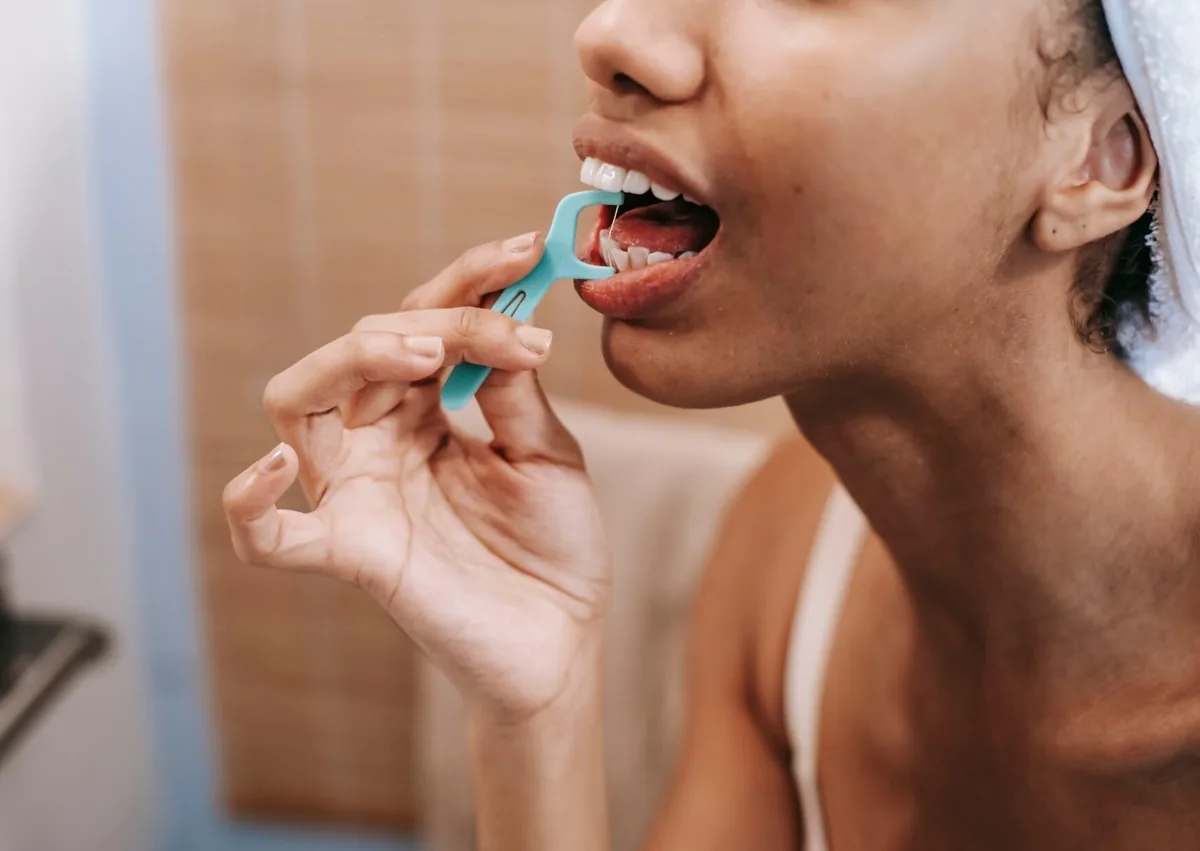
Good home care helps both the crown and the tooth underneath last longer. Brush with fluoride toothpaste, clean between teeth daily, and keep up with recommended exams and cleanings.
Avoid chewing ice, hard candy, or other hard objects that can damage a crown or the tooth beneath it. If you grind or clench, ask whether a nightguard could help protect your dental work.
Temporary crowns need extra care because they are meant to come off more easily than the final crown. Follow your dentist's eating and cleaning instructions, and call if the temporary loosens, breaks, or comes off.
Ask why the tooth needs full coverage and which materials are reasonable for your situation. It also helps to ask how each option may affect appearance, durability, tooth reduction, and wear on the opposing teeth.
Before agreeing to treatment, ask what the estimate includes. A useful estimate should clarify whether the fee covers the temporary crown, lab charges, buildup, adjustments, and follow-up care.
A second opinion can be reasonable if the treatment plan is expensive or unclear. Still, delaying care just because the tooth does not hurt can be risky, since cracks and decay can worsen without constant pain.
Schedule an evaluation if you have a broken tooth, pain when biting, lingering sensitivity, a lost crown, or a filling that keeps failing. These problems do not always mean you need a crown, but they should be checked before the damage gets worse.
Seek urgent dental care if you develop worsening swelling, fever, pus, a bad taste, severe ongoing pain, or facial swelling. Trouble breathing or swallowing is a medical emergency and needs immediate emergency care.
If you have a broken, painful, or structurally compromised tooth, a dental evaluation can determine whether a crown or alternate treatment best preserves function and appearance. Contact Dental Care Center of Hollywood for crowns in Hollywood, FL and nearby Hollywood Hills or Emerald Hills, call (954) 989-5500 to schedule an exam.
They can be, but their price ranges often overlap. The final fee depends on the specific ceramic, how the crown is made, the tooth being treated, and the complexity of the case.
Many plans cover part of a crown when it is needed to restore function or protect a damaged tooth. Deductibles, coinsurance, annual maximums, waiting periods, frequency limits, and cosmetic exclusions can still leave a significant patient balance.
Not necessarily. Same-day treatment may reduce the need for a temporary crown and a second visit, but the total fee still depends on the material, technology, and clinical complexity.
A crown can last many years, but there is no fixed lifespan for everyone. Decay at the edge, fracture, gum changes, grinding, trauma, and loss of supporting tooth structure can all shorten how long it lasts.
Sometimes, yes. If the pulp is healthy or only mildly irritated, a crown may be possible without a root canal, but lingering temperature pain, spontaneous pain, swelling, or certain X-ray findings may mean additional treatment is needed first.
| Monday | 8:30 AM – 5:30 PM |
| Tuesday | 8:30 AM – 5:30 PM |
| Wednesday | 8:30 AM – 5:30 PM |
| Thursday | 8:30 AM – 5:30 PM |
| Friday | 8:30 AM – 1:30 PM |
| Saturday | Closed |
| Sunday | Closed |