

How long after fluoride treatment can I eat? Follow the instructions from your dental office, because the timing depends on the fluoride product used. After fluoride varnish, many people can eat soft foods right away, although some products require waiting about 30 minutes; after fluoride gel or foam, the usual instruction is to wait at least 30 minutes before eating or drinking.
These instructions matter because fluoride needs enough contact time with your teeth to work as intended. If your dentist gives directions that differ from general guidance, follow the instructions for the specific product used during your visit.
If you're weighing a professional fluoride treatment to help prevent cavities or protect sensitive enamel, precise aftercare timing can make a real difference. At Dental Care Center of Hollywood in Hollywood, FL, we help patients get effective results with tailored fluoride care and clear post-appointment instructions.
The answer depends on whether you received varnish, gel, foam, or a prescription home product. Each type stays on the teeth differently, so eating instructions are not always the same.
Varnish hardens when it contacts saliva and is designed to stay on the teeth for a period of time. Gel and foam are usually placed in trays and then removed, which is why patients are often told not to eat or drink for at least 30 minutes afterward.
|
Fluoride Treatment |
Typical Eating Guidance |
Other Common Instructions |
|---|---|---|
|
Varnish |
Often immediately with soft foods, or after 30 minutes depending on the product |
Avoid hot, hard, crunchy, or sticky items for several hours if instructed |
|
Gel or foam |
Usually wait at least 30 minutes |
Do not eat, drink, or rinse during the waiting period |
|
Prescription home product |
Follow the prescription label and dentist’s directions |
Instructions vary by concentration and product |
Your dental team may recommend a longer wait based on the manufacturer’s instructions. Do not assume the same advice applies from one visit to the next if a different fluoride product was used.
Fluoride helps strengthen enamel and make teeth more resistant to acid from bacteria and acidic foods. It also supports remineralization, which helps replace minerals lost in the earliest stage of tooth decay.
If you eat too soon after gel or foam, the fluoride may not stay on the teeth long enough. With varnish, sticky or rough foods can wear away some of the coating before the recommended contact period ends.
A temporary film, mild rough feeling, or unusual taste can be normal after varnish. That coating is meant to wear off gradually with eating and brushing.
When eating is allowed, choose foods that are soft and not very hot. Good options include yogurt, scrambled eggs, applesauce, soft pasta, a banana, or soup that has cooled.
For the period recommended by your dental team, you may need to avoid:
These restrictions are most common after varnish and may last several hours. Once that product-specific window has passed, you can usually return to your normal diet.
Brushing instructions also depend on the product used. After varnish, dentists often recommend waiting four to six hours or until the next morning, though some products have different directions.
Gel or foam may come with different aftercare instructions, so it is best to confirm before you leave the office. When brushing resumes, use fluoride toothpaste and brush gently unless your dentist tells you otherwise.
Professional fluoride is usually part of preventive care, not treatment for severe pain or an established cavity. A dental professional may dry the teeth and paint on varnish with a small brush, or place gel or foam in trays for a short time.
The visit is quick and noninvasive. Sedation is usually unnecessary for fluoride application, but patients with dental anxiety can still ask about comfort options during a broader exam or treatment visit.
Fluoride may be recommended for children and adults with a higher risk of decay. That can include people with dry mouth, exposed roots, frequent cavities, orthodontic appliances, or trouble cleaning their teeth well.
Dentists look at cavity history, enamel wear, saliva flow, diet, oral hygiene, medications, and existing dental work. Fluoride can help prevent or slow early mineral loss, but it cannot repair a cavity that already has a hole.
If decay is present, treatment may involve a filling, crown, root canal treatment, or extraction depending on how deep the damage is and whether the tooth can be restored. You can review what a cavity looks like to better understand how treatment decisions change as decay progresses.
Your dentist may also recommend sealants, prescription-strength fluoride, diet changes, or more frequent preventive visits. Some offices can complete certain restorations the same day, but that depends on the tooth and the treatment needed.
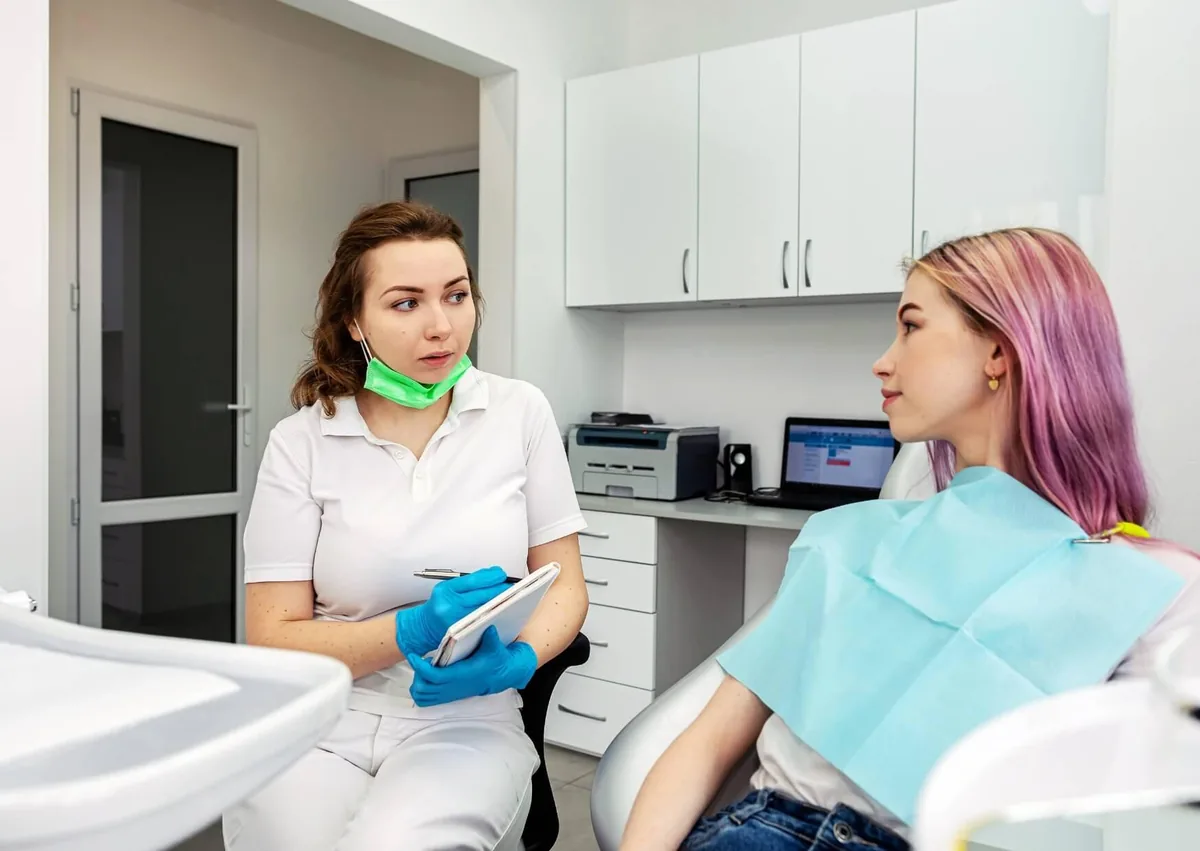
Fluoride works best as one part of a bigger prevention plan. Regular dental exams & cleanings, daily brushing with fluoride toothpaste, flossing, and limiting frequent sugar or acid exposure all help protect your teeth over time.
Preventive visits also help your dentist catch early changes before they become larger problems. That allows care to stay more conservative and gives you clear guidance on when to eat, drink, and brush after each fluoride application.
Call the dental office if you did not receive aftercare instructions or if you are unsure which fluoride product was used. You should also schedule an evaluation for ongoing sensitivity, worsening pain, swelling, a broken tooth, or other symptoms that do not fit the normal temporary coating.
Seek urgent medical care for trouble breathing, swelling of the face or throat, widespread hives, repeated vomiting, severe weakness, or other signs of a serious reaction. These reactions are uncommon, but they should not be managed by waiting at home.
If you want personalized guidance on when to eat, drink, and brush after an application, a brief visit can clarify your product-specific instructions and any follow-up care. Dental Care Center of Hollywood offers fluoride treatment in Hollywood, FL and nearby Hollywood Hills and Emerald Hills; call (954) 989-5500 or schedule an appointment today.
After fluoride gel or foam, you are usually told not to drink anything for at least 30 minutes. Some varnishes allow water sooner, but follow the product-specific instructions from your dental office.
Eating too early may shorten the fluoride’s contact time or remove some of the varnish. It is usually not an emergency, but call the dental office if you are unsure what to do next.
Wait for the time recommended by your dental team. Hot coffee may soften or disturb some varnishes, and it may stain the temporary coating, so water is often the safer choice until restrictions end.
Varnish may remain noticeable for several hours and then wear away with brushing and eating. The exact contact-time recommendation varies by product, so the instructions from your appointment are the most reliable guide.
Professional fluoride is generally considered safe when used as directed. Tell the dental team about allergies, mouth sores, swallowing difficulties, or past reactions before treatment, and avoid swallowing gel or foam during application.
| Monday | 8:30 AM – 5:30 PM |
| Tuesday | 8:30 AM – 5:30 PM |
| Wednesday | 8:30 AM – 5:30 PM |
| Thursday | 8:30 AM – 5:30 PM |
| Friday | 8:30 AM – 1:30 PM |
| Saturday | Closed |
| Sunday | Closed |