
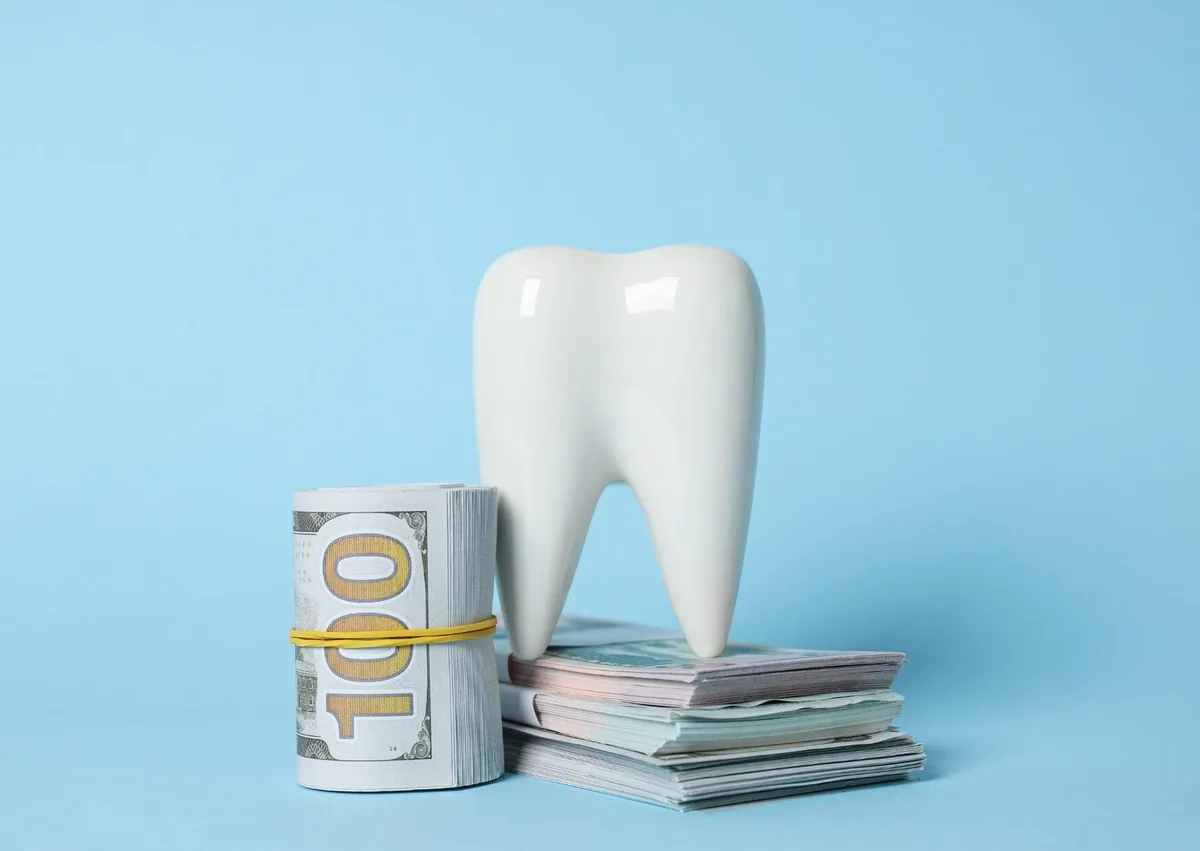
If you have a chipped tooth, a small gap, or a tooth that looks uneven, you may be wondering how much teeth bonding is before deciding what to do next. In most cases, teeth bonding costs about $300 to $600 per tooth in the United States, though fees can be lower or higher depending on the repair, the tooth involved, and local dental costs. This average cost can also change if insurance helps cover part of the treatment.
Bonding is often one of the more affordable ways to repair small chips, close minor spaces, cover limited discoloration, or improve tooth shape. A dental exam is still needed to confirm whether bonding is the right option and to give you an accurate estimate.
If a small chip, gap, or minor damage affects your smile, tooth-colored composite fillings can restore shape and function while preserving natural tooth structure. Dental Care Center of Hollywood in Hollywood, FL provides careful composite filling work and shade-matching to help repairs blend with your natural teeth.
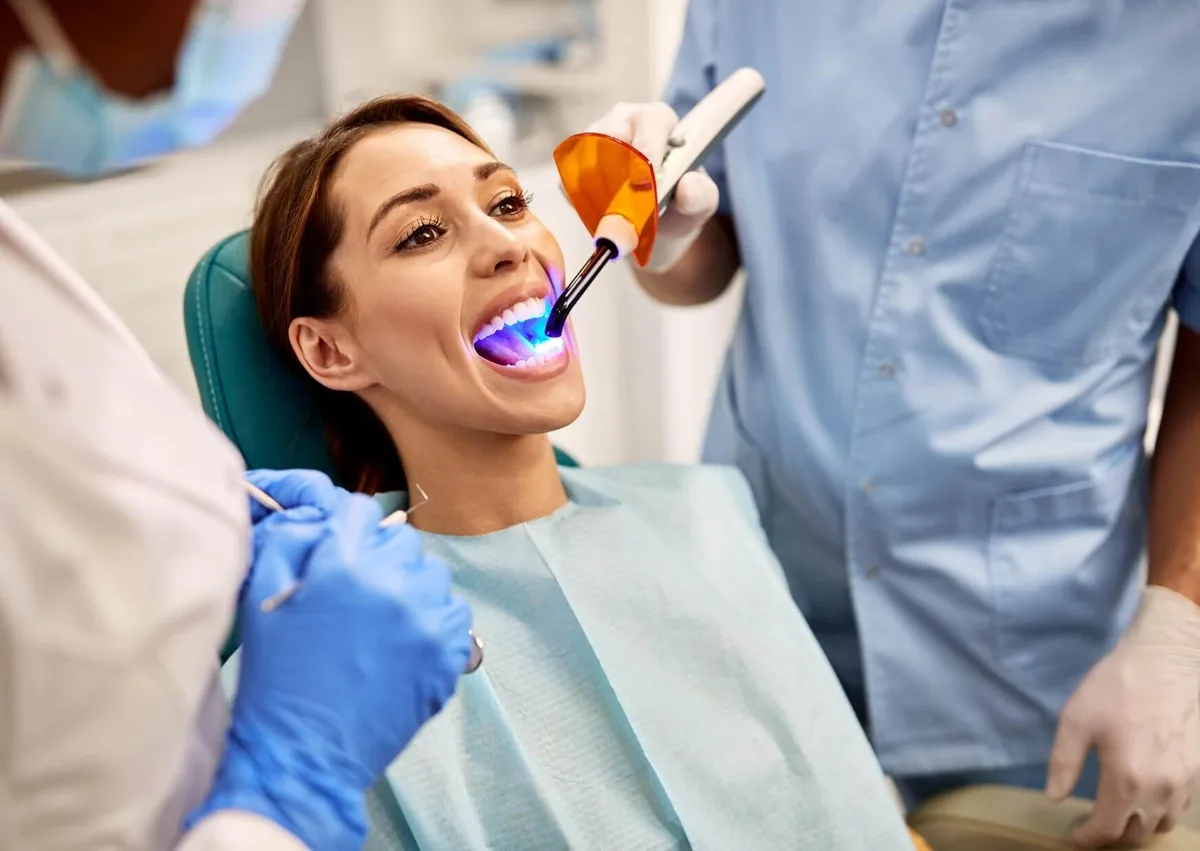
Dental bonding uses a tooth-colored composite resin, the same general type of material used in many white fillings such as composite fillings. The dentist places the material directly on the tooth, shapes it, hardens it with a curing light, and polishes it to blend with the surrounding enamel.
A small repair on the edge of one tooth usually costs less than rebuilding a larger area. If several front teeth are treated for a balanced cosmetic result, the total cost rises even if the per-tooth fee stays similar.
Common reasons for bonding include:
Teeth can chip from biting hard foods, sports injuries, falls, nail biting, or using teeth to open packages. Grinding and clenching can also weaken enamel and shorten the life of a bonded repair.
Some concerns are not caused by injury. Teeth may naturally vary in size or shape, small gaps may remain after orthodontic treatment, and some internal stains do not respond well to whitening.
A visible flaw is not always only cosmetic. Decay, a deeper fracture, a bite problem, or weakened enamel may need to be treated first or may make another restoration a better long-term choice.
There is no single flat fee for every bonding case. Dentists usually base the cost on how much clinical work is needed.
The main factors include:
When you ask for an estimate, find out whether it includes the exam, imaging, bonding procedure, bite adjustments, and any follow-up polishing. It is also smart to ask how future repairs are handled, since bonding can stain, chip, or wear over time.
Insurance may help pay for bonding when it restores damage, decay, or another functional problem. When bonding is done only to improve the look of a healthy tooth, many plans treat it as cosmetic and do not cover it.
Your actual benefit depends on the plan's deductible, annual maximum, waiting periods, frequency limits, and allowed fee. A predetermination can help estimate coverage, but it is not always a guarantee of payment.
Flexible spending accounts and health savings accounts may also help with eligible dental costs, depending on the reason for treatment and current tax rules. The dental office can usually provide procedure codes and a written estimate for you to review with your plan administrator.
The lowest starting price is not always the best long-term value. Dentists look at how much healthy tooth remains, where the damage is, how much force the tooth handles, and what result you want.
|
Treatment |
Often Best Suited For |
Tooth Preparation |
General Considerations |
|---|---|---|---|
|
Bonding |
Small chips, gaps, or shape changes |
Usually minimal or none |
Lower initial cost; may stain or chip |
|
porcelain veneers |
More extensive front-surface color or shape changes |
Usually some enamel removal |
Higher cost; often more stain-resistant |
|
A weakened, heavily filled, or extensively broken tooth |
Substantial reshaping |
Covers and protects the entire visible tooth |
|
|
Generalized staining in otherwise suitable teeth |
None |
Changes color, but not shape or missing structure |
Bonding is conservative because it often preserves more natural tooth structure than a veneer or crown. However, a crown may be safer for a heavily damaged tooth, and whitening may be a better fit when color is the only concern. For more on that option, see teeth whitening options.
The visit usually starts with an exam of the tooth, gums, and bite. X-rays may be needed if the dentist suspects decay, trauma near the nerve, or damage that cannot be judged from the surface alone.
The dentist then selects a shade, prepares the tooth surface, applies the composite in layers, and shapes it carefully. Each layer is hardened with a curing light before the final contouring, bite check, and polish.
Many simple bonding procedures are finished in one visit. If there is decay, gum inflammation, or a more serious fracture, additional treatment may be needed first.
Bonding on the outer enamel is often comfortable and may not require numbing. Local anesthetic is more likely if the area is sensitive, the root is exposed, or decay is being treated at the same time.
Most patients do not need sedation for routine bonding. If you have significant dental anxiety, the dentist may discuss options such as nitrous oxide or other sedation methods after reviewing your health history, medications, and transportation needs.
A chipped tooth can sometimes be evaluated and bonded the same day. In other cases, the dentist may first need to rule out a deeper fracture, nerve injury, or damage that calls for a stronger restoration.
Before placing bonding, the dentist may recommend treating decay, gum disease, or bite problems that could shorten the life of the repair. If grinding or clenching contributed to the damage, a custom night guard may help protect both the tooth and the bonding.
Bonded teeth still need daily brushing with fluoride toothpaste, cleaning between teeth, and regular dental visits. It also helps to avoid chewing ice, biting pens, opening objects with your teeth, or using front teeth to crack hard foods.
Composite resin can stain more easily than porcelain and may not resist wear as well as natural enamel. Coffee, tea, tobacco, and deeply colored foods can gradually affect the appearance, so occasional polishing or repair may be needed.
Bonding can be worth the cost when the problem is small, the tooth is otherwise healthy, and you want a conservative repair. It is often appealing because it can improve appearance and function without removing much natural tooth structure.
Ask the dentist why bonding is being recommended, what the alternatives are, how much tooth structure each option removes, and how long each result may reasonably last. Longevity varies, but bonding often between 5 and 10 years and sometimes longer with good care and favorable bite forces.
A written treatment plan should show which teeth will be treated and what your estimated out-of-pocket cost will be. For larger cosmetic changes, photos, a mock-up, or digital planning may help you understand the expected result before treatment begins.
Schedule an evaluation if a chip, gap, stain, or uneven tooth affects your comfort, function, or confidence. Even when the problem seems minor, an exam can help rule out decay, a deeper crack, or bite-related damage.
Seek prompt dental care if you have worsening pain, lingering sensitivity to hot or cold, swelling, fever, bleeding after trauma, a loose tooth, or a crack that appears to run toward the gumline. Those signs may point to a problem that needs more than cosmetic repair.
To confirm whether bonding or a composite filling is the right repair for chips or discoloration, arrange an exam to get an individualized treatment plan and cost estimate. Dental Care Center of Hollywood focuses on composite fillings in Hollywood, FL and nearby Hollywood Hills and Emerald Hills; call (954) 989-5500 or book online to discuss care.
Bonding usually has a lower initial cost than porcelain veneers because it is placed directly by the dentist and usually does not require lab fabrication. Veneers may offer better stain resistance and, in some cases, longer-lasting cosmetic results.
Bonding may repair a small or moderate chip on a front tooth if enough healthy structure remains. A deeper fracture, nerve injury, loose tooth, or break below the gumline may require a different treatment.
Bonding on intact enamel is often comfortable and may not require numbing. Local anesthetic may be used if there is decay, sensitivity, root exposure, or deeper tooth preparation.
Dental bonding often lasts several years, but there is no fixed lifespan. Bite pressure, grinding, oral habits, stain exposure, repair size, and home care all affect how long it holds up.
Bonding can often be repaired or replaced. If the tooth was prepared during the original treatment, removal may affect some enamel, so a dentist should evaluate the tooth before recommending polishing, repair, replacement, or another restoration.
| Monday | 8:30 AM – 5:30 PM |
| Tuesday | 8:30 AM – 5:30 PM |
| Wednesday | 8:30 AM – 5:30 PM |
| Thursday | 8:30 AM – 5:30 PM |
| Friday | 8:30 AM – 1:30 PM |
| Saturday | Closed |
| Sunday | Closed |