
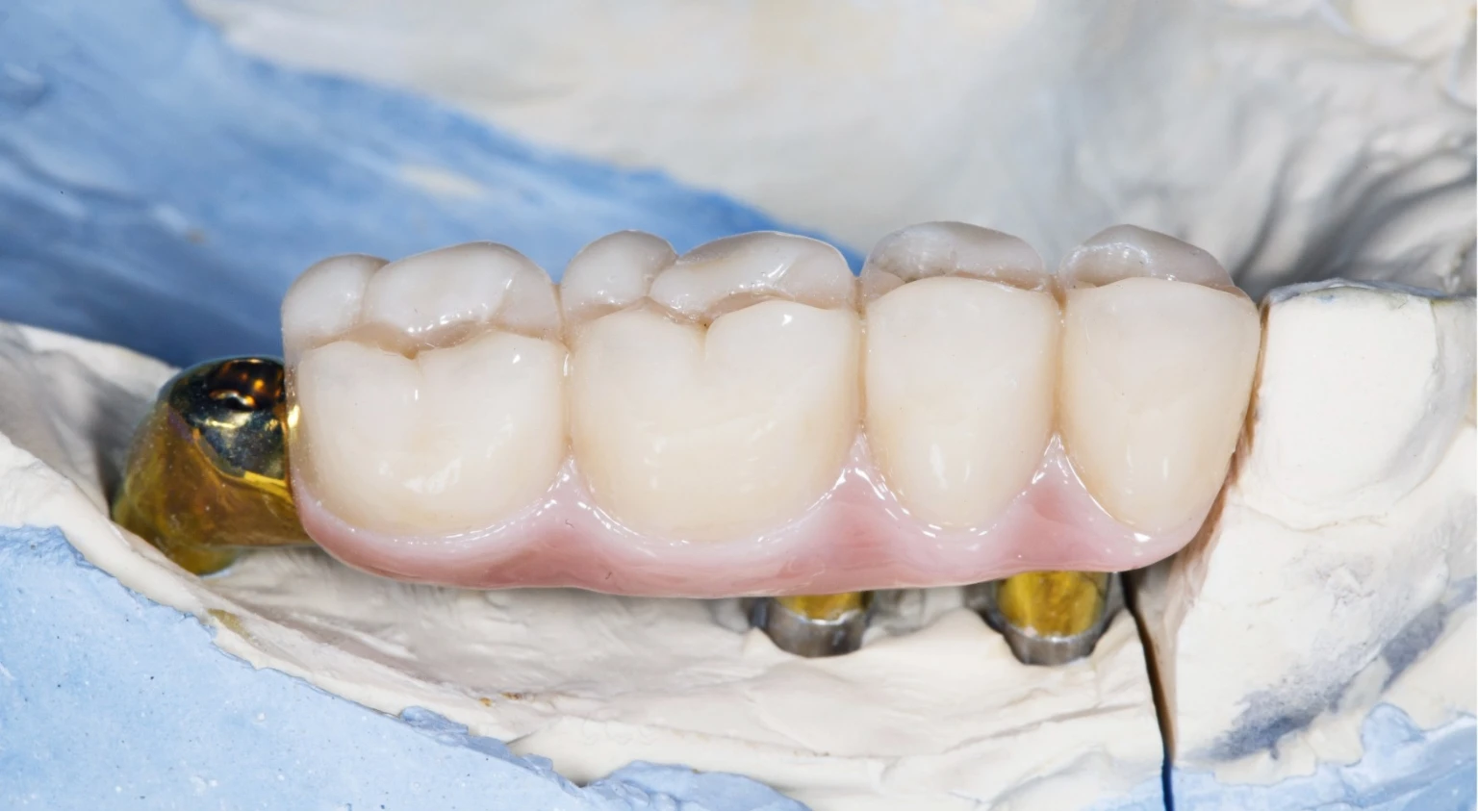
Losing a tooth affects more than appearance. It can change how you chew, speak, and feel about your smile. Many patients also find that the cost of dental implants varies more than they expected.
That variation is not random. Implant treatment is a staged, carefully planned service that may include imaging, surgical placement, healing time, and the final tooth replacement. In many cases, the fee reflects the condition of the mouth, the number of teeth being replaced, the materials used, and whether additional procedures are needed to create healthy bone and gum support.
For many patients, the most helpful question is not simply, “How much is an implant?” It is, “What is included, what is necessary in my case, and what is most likely to give me a good long-term result?” That is the best way to compare options and avoid surprises.
At Dental Care Center of Hollywood, patients in Hollywood, FL, and nearby communities can receive dental implant treatment, comprehensive evaluations, and personalized treatment planning tailored to their oral health needs and long-term goals.
Dental implants are not a single product. They are a treatment system designed to replace a tooth root and support a crown, bridge, or denture. Because every mouth is different, the total fee can vary significantly from one patient to another.
A straightforward case with good bone volume and healthy gums is usually less complex than a case involving bone loss, gum disease, a failing tooth that must be removed, or an area that has been missing a tooth for years. When a tooth has been absent for a long time, the jawbone often shrinks. That bone resorption, or gradual bone loss after a tooth is gone, can increase the need for preparatory treatment.
The dentist or specialist also considers the location of the missing tooth. A front tooth often requires more attention to gum shape, smile symmetry, and appearance. A back tooth may be exposed to heavier chewing forces, which can affect implant size, restoration design, and material choices.
Another major factor is the planning process itself. High-quality implant care often includes digital imaging, surgical guides in some cases, and coordination between the surgical and restorative phases. Those steps may increase the upfront cost, but they can also improve precision and reduce avoidable complications.
When people compare fees, one of the biggest sources of confusion is that some estimates include only part of treatment, while others bundle several steps together. That is why a written treatment plan matters.
A complete implant case may include:
Not every case includes every step. A patient replacing all teeth with implant-supported dentures will have a very different treatment plan from someone replacing one lower molar. The key is to ask what is included now, what might become necessary later, and which fees are separate.
Some implant cases require more than implant placement alone. That does not automatically mean something is wrong. It often means the mouth needs a better foundation before a long-lasting restoration can be placed.
Bone grafting may be recommended when there is not enough bone height or width to support an implant securely. This is common after long-term tooth loss, infection, trauma, or a previous extraction. The goal is to rebuild volume so the implant has a more stable base.
In the upper molar area, the sinus may sit close to the bone where an implant would go. A sinus lift creates room for graft material and future implant support. This is one reason upper back implants may cost more than patients expect.
If a broken, infected, or non-restorable tooth is still present, extraction may be part of treatment. In some cases, immediate implant placement is possible on the same day as removal. In others, allowing the area to heal first is the safer choice.
Active periodontal disease, which is infection and inflammation affecting the gums and supporting bone, usually needs to be controlled before implant treatment. Placing implants into an unhealthy environment can increase the risk of failure.
Some patients need a temporary tooth during healing, especially in the smile zone. This can add cost, but it may also improve appearance and function while the final restoration is being made.
A single implant replacing one tooth is often the easiest model for patients to understand. Even then, the total cost may involve the implant, the abutment, and the final crown as separate components.
When several teeth are missing, a dentist may recommend implants supporting a bridge rather than placing one implant for every missing tooth. In selected cases, that can be more efficient and may reduce the total number of implants needed.
For patients missing most or all teeth, full-arch treatment changes the conversation completely. Instead of pricing one tooth at a time, the plan may involve a set number of implants supporting a fixed full-arch bridge or a removable overdenture. These options differ in stability, cleaning needs, feel, and cost.
This is often where patients benefit most from a careful comparison. The least expensive full-mouth option is not always the best value if it compromises comfort, maintenance, or long-term repairability.
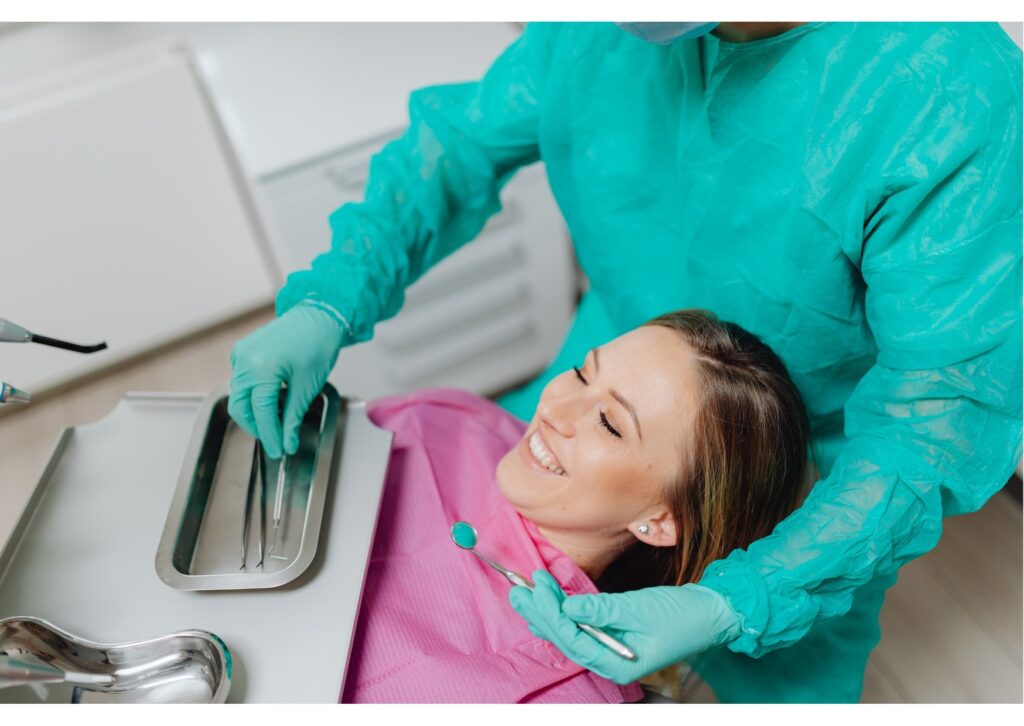
The first visit is usually focused on diagnosis and planning, not surgery. The dentist reviews the missing tooth area, gum health, bite, medical history, and imaging to determine whether implant treatment is appropriate and what sequence is safest.
If the case is suitable, the next phase may involve extraction, grafting, or implant placement. Some offices can provide same-day temporary tooth options in selected situations, but not every mouth is a candidate. The decision depends on bone stability, bite forces, infection risk, and esthetic demands.
After placement, the implant usually needs time to integrate with the jawbone, a process often called osseointegration or dental implant healing. Once healing is adequate, the final restoration is made and attached.
Many patients also ask about comfort. Local anesthesia is standard, and some practices offer sedation options for anxiety, lengthy procedures, or complex surgical care. Sedation availability, monitoring, and case complexity can affect fees, so it is reasonable to ask about this early.
It is easy to think of an implant as a screw with a crown on top, but that leaves out most of the clinical work. Much of the value is in diagnosis, planning, sterile surgical technique, restorative design, and long-term follow-up.
You are also paying for material quality and laboratory work. The visible tooth may be made from porcelain, zirconia, or another restorative material chosen for strength and appearance. The internal parts must fit accurately. Poor fit can contribute to mechanical problems, food trapping, gum irritation, or premature wear.
Provider training matters too. Implant treatment may be delivered by a general dentist with advanced training, a periodontist who focuses on gums and implant surgery, an oral surgeon, or a team approach. Higher fees do not automatically mean better care, but very low pricing should prompt questions about what is included, what materials are used, and how complications are handled.
If two offices give very different prices, the difference may come from scope rather than markup. One estimate may include imaging, extraction, grafting, a temporary restoration, and the final crown. Another may list only surgical placement.
Ask for a written breakdown that clarifies:
A good consultation should make the process easier to understand, not more confusing. If the explanation feels vague, rushed, or overly sales-driven, getting a second opinion is reasonable.
Dental insurance coverage for implants varies widely. Some plans contribute to parts of care, such as the crown or extraction, while others provide limited or no implant benefits. Medical insurance may occasionally be relevant in trauma or medically complex reconstruction, but that is not the usual pattern.
Many practices offer phased treatment or third-party financing. That can make care more accessible, but the decision should still be based on clinical suitability, not only the monthly payment.
Long-term value matters. A well-planned implant may help preserve chewing function and reduce movement of adjacent teeth, and it does not rely on neighboring teeth the way a traditional bridge often does. That said, implants still require maintenance, good home care, and regular professional monitoring. They are durable, but they are not maintenance-free, and published research continues to show a strong overall survival rate over time.
Sometimes patients delay care because they are still comparing prices, but there are situations where the condition itself needs prompt attention. A cracked tooth, swelling, drainage, facial pressure, worsening pain, or a loose infected tooth may indicate a problem that should be evaluated soon, even if implant treatment is only one possible outcome.
Seek urgent dental care for facial swelling, fever, trouble swallowing, or spreading infection symptoms. Those signs can point to a more serious dental infection that should not wait for routine scheduling.
It is also important to remember that not every missing or failing tooth is best treated with an implant. In some cases, a bridge, removable partial denture, root canal treatment, or a monitored delay before replacement may be more appropriate. The right treatment depends on the tooth, the surrounding bone and gums, overall health, bite forces, and patient goals.
A good implant plan is not just about replacing what is missing today. It should also protect the health of the surrounding tissues over time. Dentists look at gum thickness, bone levels, bite pressure, grinding habits, cleaning access, and the condition of neighboring teeth.
This matters because implants can develop complications too. Peri-implant mucositis is inflammation around an implant, and peri-implantitis is a more serious condition involving inflammation and bone loss. Research on peri-implantitis prevalence reinforces why plaque control, regular maintenance, and early treatment matter. These problems are more likely when plaque control is poor, gum disease is untreated, or the restoration is difficult to clean.
That is why prevention remains central even in advanced restorative care. The best long-term result usually comes from a treatment plan that is biologically sound, easy to maintain, and realistic for the patient’s daily habits.
An implant may be worth the investment when the goal is to replace a missing tooth in a way that supports chewing, feels stable, and helps preserve the jawbone. It may also be a strong option when neighboring teeth are healthy and you want to avoid preparing them for a bridge.
Still, the best choice is not always the most advanced one on paper. Some patients prioritize fixed teeth. Others care most about cost, treatment time, or avoiding surgery. A clear conversation about tradeoffs is more useful than a generic promise that one option is best for everyone.
If you are comparing options, ask which treatment is most predictable in your mouth, what maintenance it will require, and what repair or replacement needs may be likely over time. That approach usually leads to better decisions than focusing only on the initial fee.
Schedule a dental evaluation if you have a missing tooth, a failing tooth that may not be restorable, a loose denture, or difficulty chewing on one side. It is also worth booking a visit if you were told years ago that you were not a candidate, because imaging, grafting techniques, and treatment planning have improved.
An evaluation is especially important if symptoms are persistent, worsening, or unclear. Pain, repeated gum irritation, shifting teeth, or a tooth that keeps breaking may have several possible causes, and the safest treatment depends on an exam rather than guesswork.
For most patients, the best next step is simple: get a clear diagnosis, a written treatment plan, and a realistic explanation of timing, alternatives, and total cost.
Ready to restore your smile with a long-term tooth replacement option? Call Dental Care Center of Hollywood at (954) 989-5500 to schedule a dental implant consultation in Hollywood, FL. Our team provides comprehensive evaluations, personalized treatment planning, and advanced implant care for patients throughout the surrounding areas.
Implants usually involve surgery, advanced imaging, multiple components, and a longer treatment timeline. They may also help preserve bone and avoid placing extra stress on neighboring teeth, which can improve long-term function in the right case.
Not always. A higher fee may reflect more complete planning, better materials, specialist involvement, or bundled services, but price alone does not prove quality. Ask what is included and why the treatment is being recommended.
Sometimes, yes. Immediate placement may be possible in selected cases, but infection, bone quality, bite pressure, and gum conditions all affect whether that approach is safe and predictable.
Implants are designed as long-term tooth replacements, but no dental treatment lasts forever without maintenance. The implant, the crown, and the surrounding gum and bone all need ongoing care and monitoring.
That may still be manageable. Some patients may qualify for bone grafting or other site-development procedures, but the right approach depends on imaging, anatomy, and overall oral health.
Do not delay if there is swelling, fever, drainage, worsening pain, a loose infected tooth, or trouble swallowing. Those symptoms need prompt dental evaluation because they may signal infection or another urgent problem.
| Monday | 8:30 AM – 5:30 PM |
| Tuesday | 8:30 AM – 5:30 PM |
| Wednesday | 8:30 AM – 5:30 PM |
| Thursday | 8:30 AM – 5:30 PM |
| Friday | 8:30 AM – 1:30 PM |
| Saturday | Closed |
| Sunday | Closed |