
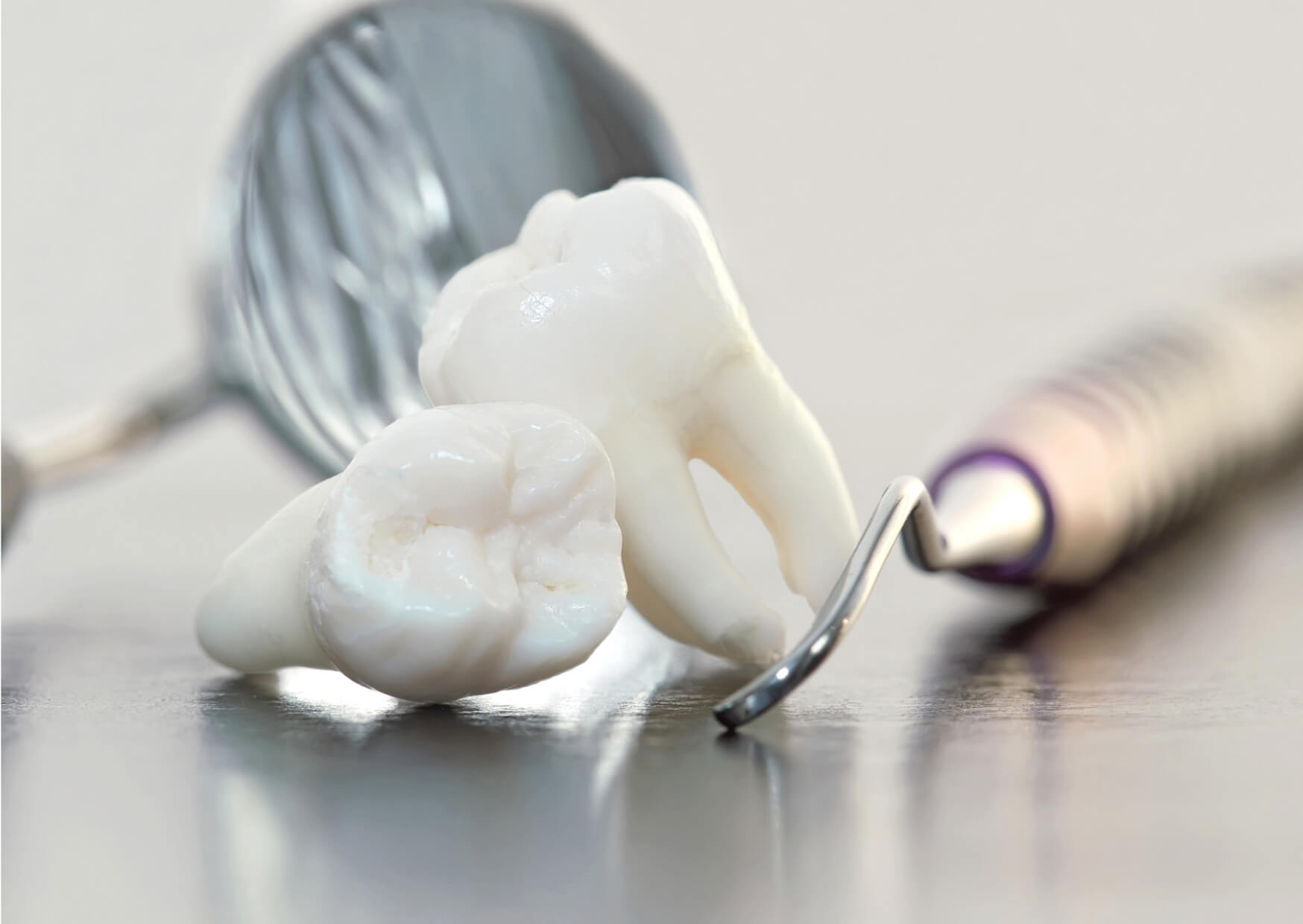
If a wisdom tooth has started to break through the gums, it is normal to wonder how long this stage will last. The short answer is that wisdom tooth eruption can take weeks, months, or longer, and it often happens in stops and starts.
Some wisdom teeth come in slowly with mild pressure, then seem to pause. Others only partially erupt, meaning part of the tooth shows while the rest stays covered by gum tissue or bone.
This timing varies because wisdom teeth are the last adult teeth to emerge, usually in the late teens through the twenties. By that point, the jaw may not have enough room, which can slow eruption or prevent the tooth from coming in fully.
Dental Care Center of Hollywood offers dental exam evaluations in Hollywood, FL, including careful attention for erupting wisdom teeth.
A tooth erupts by moving through bone and gum tissue into the mouth. Wisdom teeth often have a less predictable path than other teeth.
The most common reason for delay is limited space at the back of the mouth. If the tooth is angled forward, sideways, or trapped under the gum, it may only come in partway or stop moving for long periods.
Dentists call this an impacted wisdom tooth, meaning the tooth cannot fully erupt into a normal position. Some impacted teeth cause pain, swelling, or infection risk, while others stay quiet for years.
Partially erupted wisdom teeth may also have a flap of gum tissue over them. That area can trap food and bacteria, which raises the risk of irritation and inflammation.
A wisdom tooth may start with soreness, pressure, or a small corner of the tooth becoming visible. After that, it may keep moving slowly or seem unchanged for a long time.
Some wisdom teeth come in enough to function and be cleaned normally within a few months. Others stay partially erupted much longer and never fully settle into place.
A practical way to think about it is this: visible change may happen over weeks, but full eruption, if it happens at all, often takes much longer. Partial eruption is very common, especially when there is limited jaw space.
If symptoms are getting worse instead of better, the issue may be less about timing and more about the tooth’s position or inflammation around it.
Common symptoms include pressure at the back of the jaw, gum tenderness, and mild swelling. Some people also notice soreness when chewing near the area.
A partially erupted wisdom tooth can create a pocket where bacteria collect. That may lead to redness, a bad taste, bad breath, or swelling around the tooth.
This type of gum inflammation is sometimes called pericoronitis, which is inflammation of the tissue around a tooth that has only partly erupted. It can range from mild irritation to a more significant infection.
Pain that spreads into the ear, jaw stiffness, or trouble opening the mouth fully deserves closer attention. These symptoms do not always mean a serious problem, but they are good reasons to arrange a dental exam.
Not every wisdom tooth needs to be removed. If it is coming in straight, has enough space, and can be cleaned well, a dentist may recommend monitoring it.
Removal becomes more likely when the tooth is impacted, repeatedly inflamed, hard to clean, or pressing against the tooth in front of it. Dentists also look for trapped food, gum damage, and increased risk of decay.
X-rays are often the key part of this decision. They show the angle of the tooth, how much remains under the bone, and whether it is close to nerves or neighboring roots.
For that reason, many dentists use digital X‑rays to understand whether a tooth may fully erupt or is more likely to need removal. Repeated flare-ups around a partially erupted wisdom tooth are usually a sign that the long-term pattern should not be ignored.
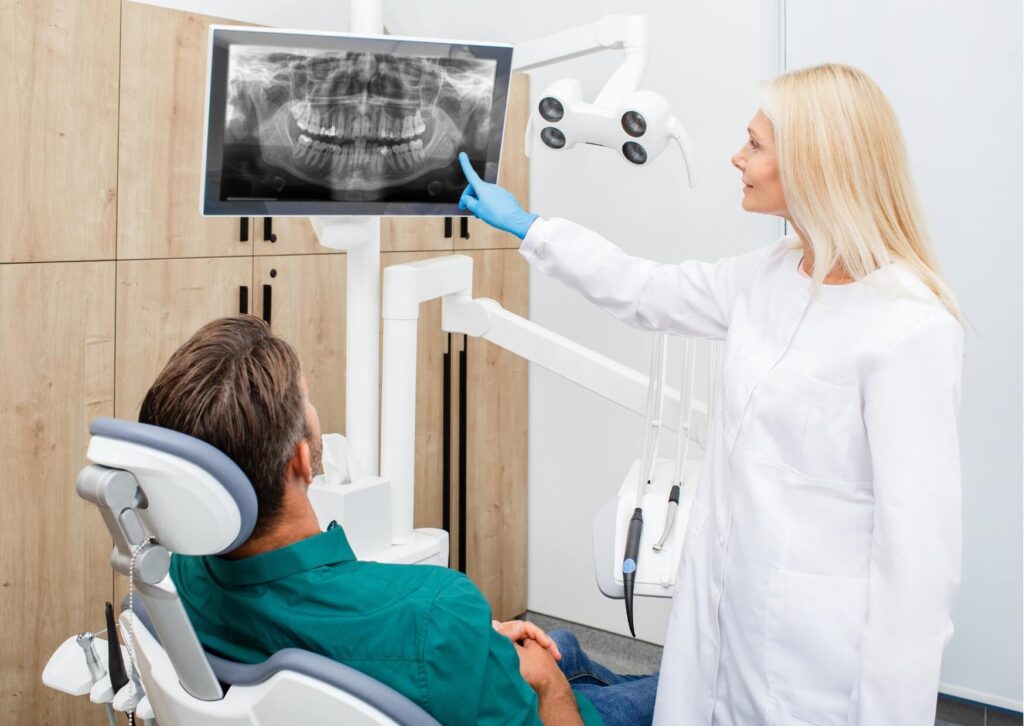
A wisdom tooth visit is usually straightforward. The dentist will examine the gum, check how much of the tooth is visible, and look for signs of infection, decay, or damage to the nearby tooth.
Dental X-rays help confirm whether the tooth is erupting normally, partially trapped, or unlikely to come in well. This matters because symptoms alone do not always show what is happening under the gums.
If treatment is needed, the conversation may include timing, recovery, and sedation options for anxious patients. Some offices can also coordinate evaluation and treatment efficiently when pain or swelling makes the situation more urgent.
If the tooth is not ready for removal that day, the visit still helps clarify whether the area is simply erupting slowly or developing a problem that should not wait.
Some wisdom tooth symptoms are more urgent than others. Increasing facial swelling, fever, drainage with a foul taste, or trouble swallowing can point to a spreading infection and should be checked promptly.
Seek urgent dental care if pain becomes severe, swelling keeps getting worse, or you cannot open your mouth normally. If breathing feels affected or swelling is spreading into the face or neck, seek immediate medical attention.
These signs do not always mean a dangerous condition, but they should not be managed with watchful waiting alone. Worsening swelling or difficulty swallowing is especially important to take seriously.
Dentists do not only look at whether a wisdom tooth hurts today. They also consider whether it is likely to stay clean, function well, and avoid harming the tooth next to it.
A wisdom tooth that stays partly covered by gum can remain a chronic problem area. Even when pain comes and goes, the repeated cycle of trapped debris and inflammation can affect comfort and oral health over time.
That is why the best treatment is not always the fastest fix. The right plan depends on the tooth’s position, the pattern of symptoms, and whether keeping the tooth offers a realistic long-term benefit.
If a wisdom tooth has started coming in and the area feels uncertain, painful, or repeatedly inflamed, scheduling a dental exam is the most reliable way to understand what happens next and what options make sense for your mouth.
When removal is recommended to relieve pain, crowding, or recurring infection, a wisdom tooth extraction is a common and effective solution. If extraction is likely, read our guide on preparing for extraction to learn what to expect.
Dental Care Center of Hollywood provides dental exams and evaluations in Hollywood, FL, and serves patients from nearby Hallandale Beach and Pembroke Pines. Call (954) 989-5500 to schedule an appointment.
Yes. A wisdom tooth may erupt in stages and then appear to pause for weeks, months, or longer. This often happens when there is not enough space or the tooth is partially impacted.
Mild pressure or intermittent soreness can happen during eruption. Pain that is worsening, associated with swelling, a bad taste, or trouble opening the mouth should be checked by a dentist.
Symptoms may suggest it, but an X-ray is usually needed to confirm it. An impacted tooth is one that cannot fully erupt into a normal position.
Not always. Some can be monitored if they are healthy, cleanable, and not damaging nearby teeth, but many partially erupted wisdom teeth are more prone to repeated inflammation.
Schedule a visit if the area is painful, swollen, hard to clean, or if the tooth seems to be only partly coming in. Prompt care is especially important if symptoms are persistent, worsening, or severe.
| Monday | 8:30 AM – 5:30 PM |
| Tuesday | 8:30 AM – 5:30 PM |
| Wednesday | 8:30 AM – 5:30 PM |
| Thursday | 8:30 AM – 5:30 PM |
| Friday | 8:30 AM – 1:30 PM |
| Saturday | Closed |
| Sunday | Closed |