
Dental sealants help protect the deep grooves in back teeth where cavities often start. They are most often recommended for children and teens after permanent molars come in, but some adults with healthy, deeply grooved teeth may benefit too.
If food and plaque seem to collect in the grooves of back teeth, dental sealants can help protect those hard-to-clean areas from cavities. At Dental Care Center of Hollywood in Hollywood, FL, we use this simple preventive treatment to lower decay risk while preserving healthy tooth structure.
Molars and premolars have pits and grooves that help grind food. In some teeth, those grooves are so narrow that toothbrush bristles cannot reach them well.
That makes it easier for plaque, food particles, and cavity-causing bacteria to stay on the chewing surface. Over time, bacteria use sugars and starches to produce acids that weaken enamel; if you want to understand early decay better, see what a cavity looks like.
A sealant covers those vulnerable grooves with a smoother protective layer. This can make the surface easier to clean and provide an added layer of cavity prevention.
Sealants do not replace brushing, flossing, fluoride, or regular dental visits. They work best as part of a broader prevention plan.
Dentists often evaluate first permanent molars for sealants around ages 6 to 7 and second molars around ages 11 to 13. The exact timing depends on when the teeth erupt.
Some baby teeth may also be candidates if they have deep grooves and need to stay healthy for several more years. Protecting those teeth can help support normal chewing and spacing.
Adults may benefit from sealants when back teeth have deep grooves but no fillings or significant decay. A dentist may examine the teeth and use X-rays if needed to decide whether a sealant, filling, or another treatment makes more sense.
Sealants are preventive, not restorative. They do not treat a large cavity, a broken tooth, a failing filling, or tooth pain caused by infection.
Sealant placement is usually quick and painless. It typically does not require drilling or numbing.
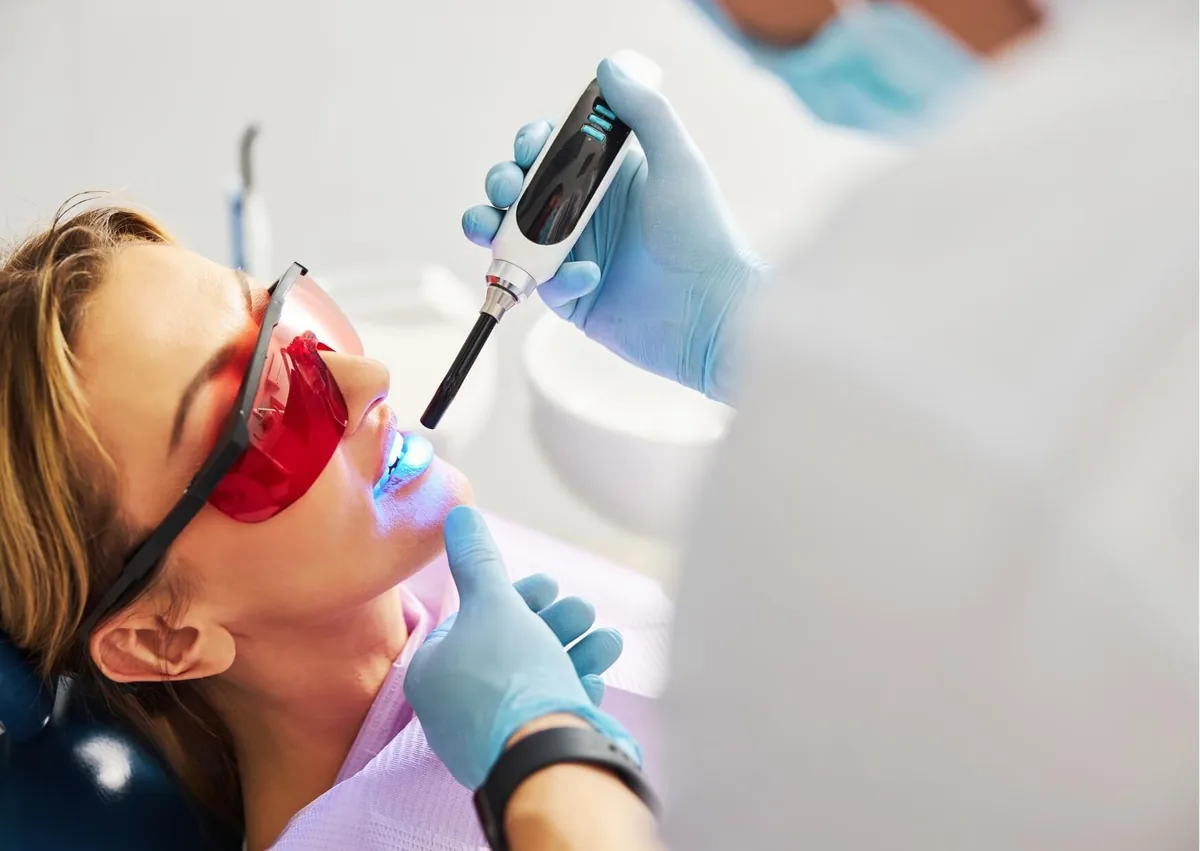
The dental team cleans and dries the tooth, applies a conditioning material to help the sealant bond, then rinses and dries the surface again. The liquid sealant is flowed into the grooves and hardened with a curing light.
After that, the dentist checks the bite and adjusts any excess material if needed. Several teeth can often be treated in one visit.
Many patients have sealants placed during a routine preventive appointment. Most can return to normal activities and eat afterward unless other treatment was done the same day.
Most patients feel only cleaning, rinsing, air, and light pressure during the procedure. The main challenge is usually keeping the tooth dry long enough for the material to bond well.
Sedation is usually unnecessary for sealants alone. If a patient has strong dental anxiety, sensory needs, difficulty staying still, or other treatment planned at the same visit, the dentist may discuss comfort options such as nitrous oxide.
Sealants can often be placed the same day they are recommended if the teeth are fully erupted, accessible, and free of decay that needs other care first. If a molar is only partly erupted, the dentist may wait until more of the chewing surface is visible.
Sealants can protect teeth for years, but they are not permanent. Chewing forces can wear them down, chip them, or cause part of the material to come off.
At regular dental exams & cleanings visits, the dentist checks whether each sealant is still intact. Worn or missing areas can often be repaired or replaced.
A sealed tooth can still get decay along an uncovered edge or between teeth. Brushing with fluoride toothpaste, cleaning between teeth, balanced eating habits, and regular professional care still matter.
Sealants are often one part of a prevention plan that may also include fluoride treatment. Dentists also look at cavity history, enamel condition, tooth shape, diet, dry mouth, oral hygiene, and follow-up habits when planning long-term prevention.
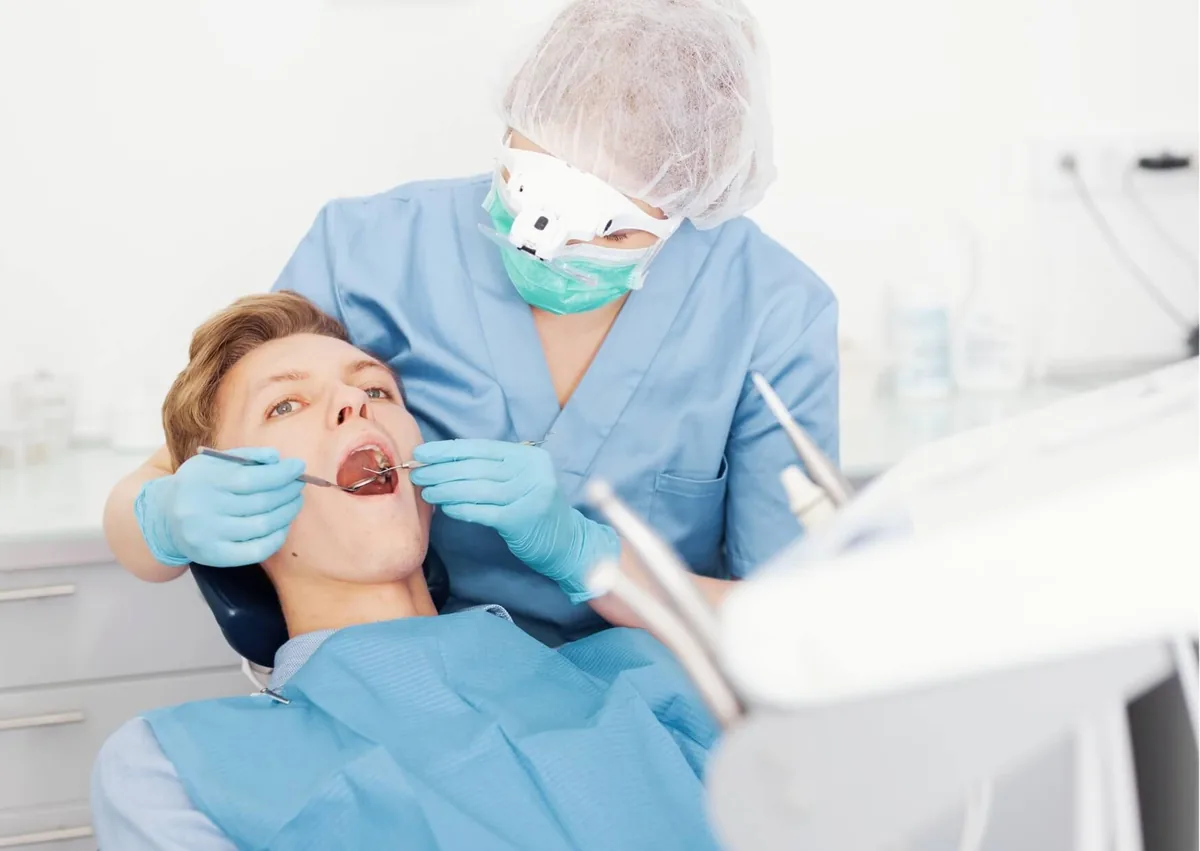
The right treatment depends more on the tooth's condition than on age alone. A healthy tooth with deep grooves may be a good candidate for a sealant, while visible decay, symptoms, or damaged enamel may call for a filling or another restorative option.
It helps to ask which teeth are being considered, whether any decay is present, what material will be used, and how the sealants will be checked over time. Most dental sealants are resin-based, though glass ionomer materials may be used in some situations, especially when moisture control is difficult.
Insurance coverage and benefits vary by age, tooth, plan, and provider. A dental office can explain expected costs, but clinical fit should come first.
Sealants are best discussed when permanent molars first come in, rather than after a cavity forms. It is also a good idea to schedule an exam if a tooth has deep grooves, a sealant looks worn or missing, or it has been a while since the area was checked.
Sealants are not a treatment for toothache. Seek prompt dental care for persistent pain, worsening sensitivity, a broken tooth, swelling, pus, fever, or facial swelling, and seek urgent medical care for trouble breathing or swallowing.
A dentist can evaluate the chewing surfaces, review cavity risk, and explain whether sealants or another treatment offers the best long-term protection.
Talk with a dentist to confirm whether sealants or another preventive option will best protect vulnerable molars and to learn about same-day placement when appropriate. At Dental Care Center of Hollywood we focus on sealants in Hollywood, FL and nearby Hallandale Beach and Dania Beach; call (954) 989-5500 to schedule or book online.
Dental sealants have a long history of use and are considered safe for eligible patients. Resin-based materials may contain trace compounds related to bisphenol A, but exposure from sealants is brief and very low; patients with material allergies or specific concerns should discuss them with the dentist.
Sealant placement is generally painless because it does not remove tooth structure. Numbing injections are usually not needed unless another procedure is performed at the same visit.
Sealants can protect teeth for several years, though durability varies with the material, bite, placement quality, and chewing habits. Regular dental examinations allow worn or missing areas to be found and repaired.
Yes. Adults may be candidates when back teeth have deep, decay-free grooves and do not already have restorations that interfere with placement.
A properly evaluated and sealed surface has a lower risk of decay, but no preventive treatment provides complete protection. Dentists monitor sealant edges and the surrounding tooth for leakage, wear, or signs of decay during routine visits.
| Monday | 8:30 AM – 5:30 PM |
| Tuesday | 8:30 AM – 5:30 PM |
| Wednesday | 8:30 AM – 5:30 PM |
| Thursday | 8:30 AM – 5:30 PM |
| Friday | 8:30 AM – 1:30 PM |
| Saturday | Closed |
| Sunday | Closed |