
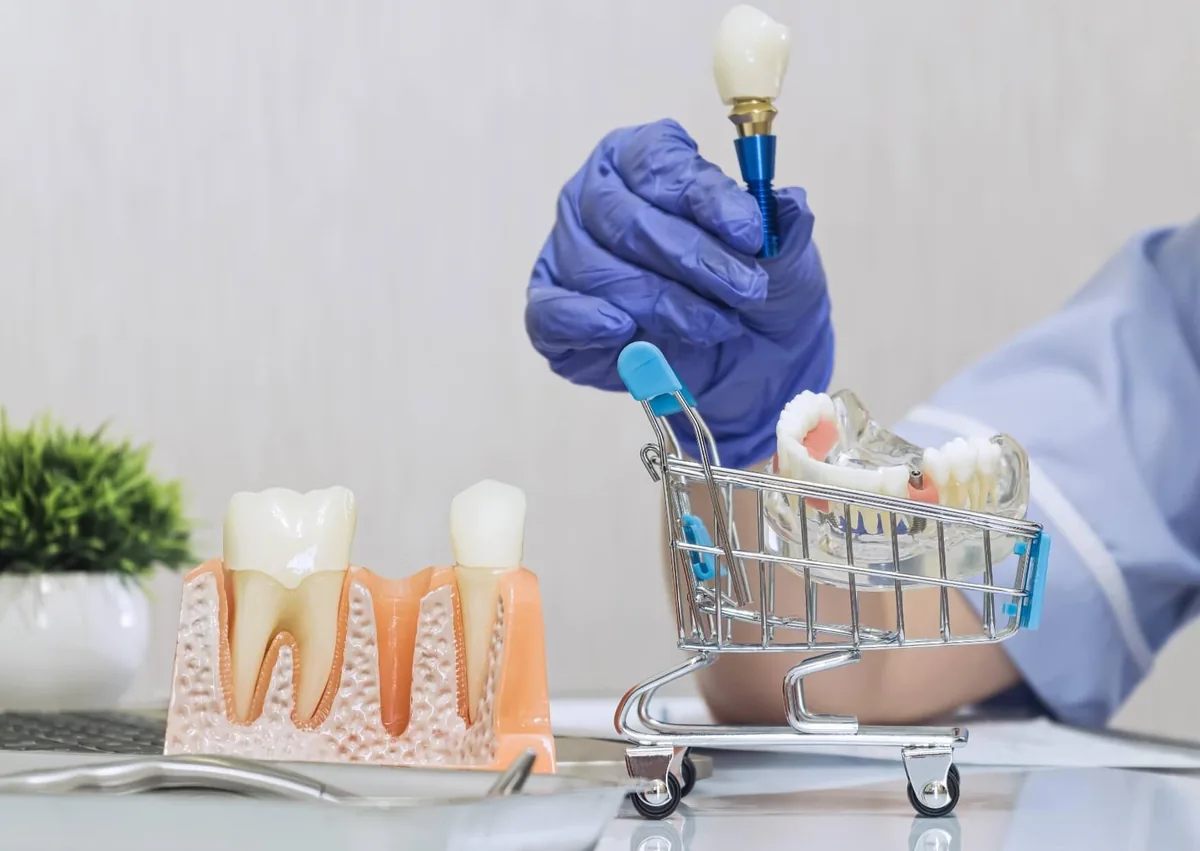
If you have lost, cracked, or need to remove one tooth, the typical single tooth implant cost in the United States is about $3,000 to $6,000 total for the implant post, abutment, and crown. Your actual fee may be lower or higher depending on location, materials, insurance, and whether you need an extraction, bone graft, or other preparatory care.
A single implant can replace a tooth lost to decay, gum disease, injury, or a fracture that cannot be repaired. Waiting too long can allow nearby teeth to shift and the jawbone to shrink, so an evaluation can help you understand your options even if you are not ready to start treatment.
If you're deciding how to replace one missing tooth and want a stable, natural-looking result that preserves nearby teeth and bone, consider single tooth replacement. Dental Care Center of Hollywood in Hollywood, FL creates personalized implant plans that focus on comfort and predictable long-term outcomes.
A single tooth implant has three main parts. The implant is the post placed in the jaw, the abutment connects the post to the restoration, and the crown is the visible replacement tooth.
A written estimate should show whether the quoted fee includes all three parts. Some offices list the surgical placement separately from the abutment and crown, so a low starting price may not reflect the full treatment cost.
|
Cost Component |
What It Covers |
Possible Separate Charge |
|---|---|---|
|
Evaluation and imaging |
Exam, digital x-rays, and sometimes a 3D scan |
Often billed separately |
|
Implant placement |
Surgical insertion of the implant post |
Sedation may cost extra |
|
Abutment |
Connector between implant and crown |
May be bundled with the crown |
|
Implant crown |
Custom visible replacement tooth; see crowns for material and appearance options |
Material and laboratory fees vary |
|
Preparatory care |
Extraction, bone grafting, or gum treatment |
Added only when needed |
National price ranges can help with planning, but they do not replace an individual estimate. Ask for an itemized treatment plan that separates required care from optional upgrades and shows expected insurance contributions.
For a broader overview of pricing factors and national averages, see cost of dental implants.
The condition of your jawbone is one of the biggest cost factors. If bone has thinned after tooth loss or infection, bone grafting may be needed to create enough support, which adds cost and healing time.
Tooth location also matters. Front teeth need careful cosmetic planning, while back teeth must handle stronger chewing forces, and either situation can affect implant positioning, crown design, materials, and lab work.
Other factors that can affect the total fee include:
Smoking or vaping, uncontrolled diabetes, active gum disease, and teeth grinding can increase the risk of implant complications. These risk factors do not always rule out treatment, but they may need to be addressed first to improve healing and long-term stability.
A single implant often costs more upfront than a bridge or removable partial denture. However, it can preserve bone and usually does not require reshaping healthy neighboring teeth.
|
Option |
Main Advantage |
Important Limitation |
|---|---|---|
|
Single implant |
Independent replacement that helps maintain jawbone |
Requires surgery, healing time, and adequate bone |
|
Dental bridge |
Fixed tooth replacement, often completed faster |
Usually requires reshaping adjacent teeth |
|
Removable partial denture |
Commonly has the lowest initial cost |
Removable and may feel less stable |
The lowest initial price is not always the best long-term value. Compare maintenance needs, expected lifespan, effect on nearby teeth, and the likely cost of future repairs or replacement.
The first visit usually includes a health history, dental exam, X-rays, and sometimes a 3D scan. The dentist checks bone volume, gum health, bite forces, nearby roots and nerves, and whether there is enough space for a natural-looking crown.
If you move forward, implant placement is usually done with local anesthetic to numb the area. Comfort options may include nitrous oxide or oral or IV sedation, depending on the office, your health, and the complexity of treatment.
After placement, the implant usually heals for several months while the bone bonds to it in a process called osseointegration. Some clinicians use added techniques to support recovery; learn more about these approaches at dental implant healing.
A temporary tooth may be available during healing, especially for a front tooth. It must be designed to avoid too much pressure on the implant while the area stabilizes.
Same-day placement means the implant is inserted at the extraction visit. Same-day teeth means a temporary restoration is attached soon after, but not every patient is a good candidate, and the final crown is often placed only after healing is confirmed.
For immediate post-op guidance and common food restrictions, see after dental implant.
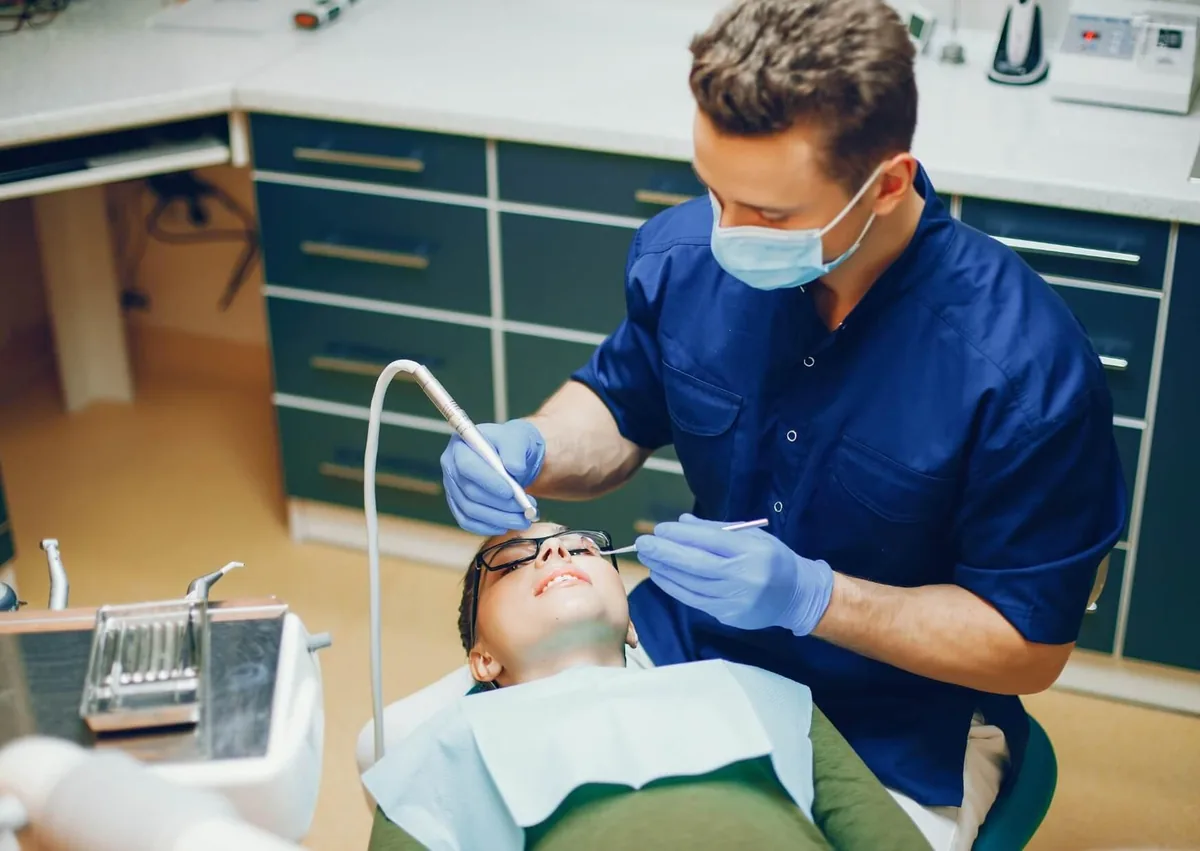
Long-term success starts before the implant is placed. Dentists look for infection, gum inflammation, decay, and unstable bite forces that could affect healing or overload the restoration later.
A nightguard may be recommended if you clench or grind your teeth. That extra protection can help reduce stress on the implant and crown over time.
An implant cannot get a cavity, but the surrounding gum and bone can still become inflamed if plaque builds up. Daily cleaning and regular professional maintenance help reduce the risk of peri-implant disease.
Implants can last many years, but no restoration is guaranteed for life. The crown may eventually wear, loosen, chip, or need replacement, and those future costs may not be included in the original fee.
Dental insurance may cover part of the crown, extraction, or implant surgery, but benefits vary widely. Annual maximums, waiting periods, deductibles, missing-tooth clauses, and frequency limits can all affect what you actually receive.
Ask the dental office for a pre-treatment estimate, then confirm benefits directly with your insurer. An estimate is helpful, but it is not a guarantee of payment.
Payment plans, third-party financing, and health savings or flexible spending accounts may help make treatment more manageable. Review interest rates, fees, repayment terms, and refund policies before agreeing to financing.
The right recommendation should fit your oral health, appearance goals, budget, and timeline. Bone and gum health, neighboring teeth, bite forces, maintenance needs, and total cost all matter.
If the teeth next to the gap already need crowns, a bridge may make sense. If those teeth are healthy, an implant may help you avoid removing sound tooth structure.
Try to schedule an evaluation soon after a tooth is lost or declared nonrestorable. Early planning does not mean you must choose surgery right away, but it can preserve more options and clarify whether you need a temporary replacement.
Schedule urgent dental care if you have increasing swelling, fever, pus, uncontrolled bleeding, severe or worsening pain, or trouble swallowing or breathing. These symptoms may point to infection or another problem that should not wait.
If the issue is not urgent, schedule a routine implant consultation to review imaging, alternatives, an itemized fee estimate, and the expected timeline. That visit can help you compare options and decide whether an implant is the right long-term solution.
To review your implant options and get an itemized cost estimate, schedule a consultation to review imaging and treatment sequence. Call Dental Care Center of Hollywood for single tooth replacement in Hollywood, FL and nearby Hollywood Hills and Emerald Hills at (954) 989-5500 to book an appointment.
Some plans cover a percentage of one or more treatment stages, while others exclude implants or pay only toward a lower-cost alternative. Check the annual maximum, deductible, waiting period, and any missing-tooth limitation before treatment.
Not usually unless the estimate specifically says so. Grafting is a separate procedure that may be recommended when the jaw does not have enough healthy bone to support an implant.
Treatment often takes several months because the implant needs time to integrate with the bone. Immediate placement or a temporary same-day tooth may shorten some stages, but suitability depends on infection, bone stability, bite forces, and overall health.
Local anesthetic is used to numb the area, so patients often report pressure rather than sharp pain during placement. Temporary soreness, swelling, or bruising can happen afterward, and you should contact the treating dentist if symptoms are severe, persistent, or getting worse.
Not necessarily. Compare whether each quote includes imaging, the implant post, abutment, crown, temporary tooth, follow-up visits, sedation, grafting, and management of complications.
| Monday | 8:30 AM – 5:30 PM |
| Tuesday | 8:30 AM – 5:30 PM |
| Wednesday | 8:30 AM – 5:30 PM |
| Thursday | 8:30 AM – 5:30 PM |
| Friday | 8:30 AM – 1:30 PM |
| Saturday | Closed |
| Sunday | Closed |