
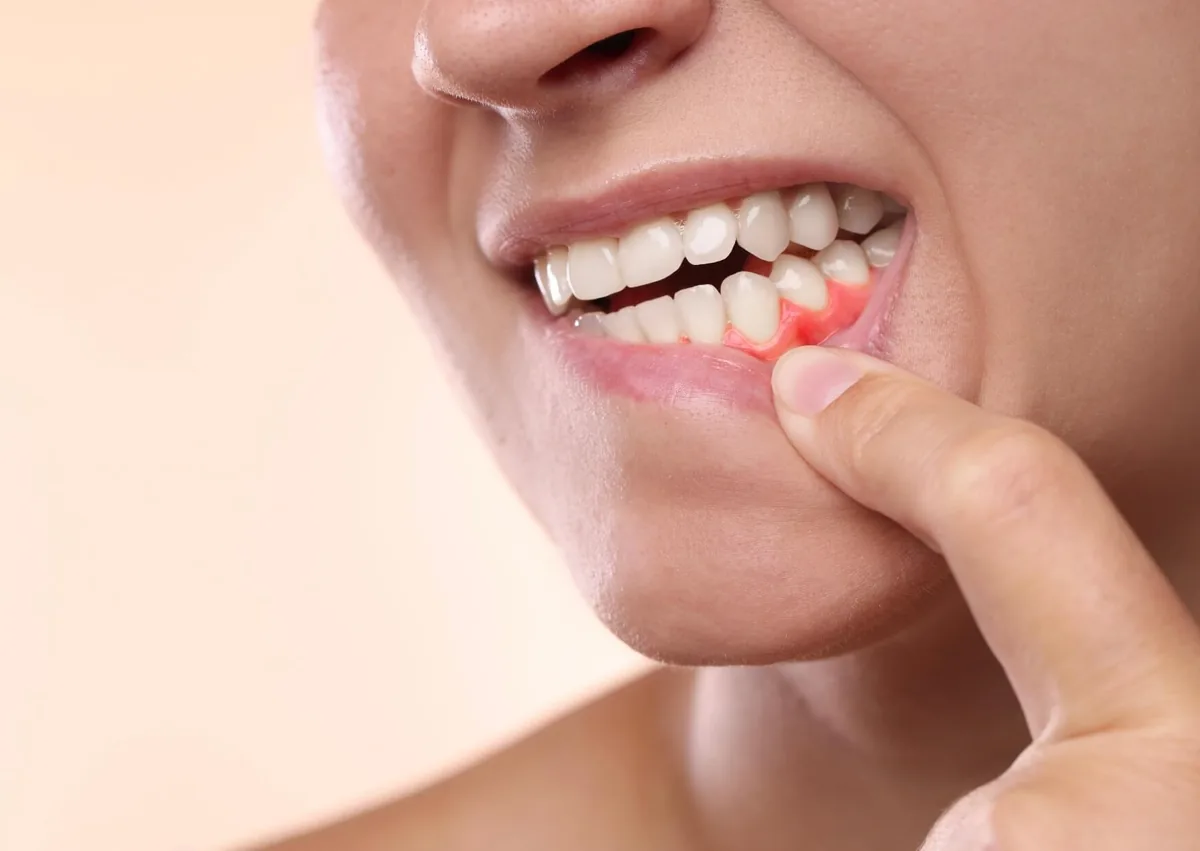
Gum recession happens when the gum tissue pulls away from a tooth, exposing more of the tooth or its root. It usually does not reverse on its own, so a dental exam and cleaning can help identify the cause, ease sensitivity, protect exposed roots, and lower the risk of further damage.
If a tooth looks longer or suddenly feels sensitive to cold or brushing, a dental exam and cleaning can help explain why and protect the area before recession worsens. Dental Care Center of Hollywood in Hollywood, FL provides gentle evaluations and professional cleanings focused on comfort, prevention, and exposed-root care.
Gum recession can make a tooth look longer than usual. You may also notice a notch near the gumline or see more of the root surface.
Many people first notice new tooth sensitivity. Cold drinks, sweets, brushing, or even air can bother an exposed root because it does not have the same enamel protection as the crown of the tooth.
Sometimes recession causes no pain at all. A dentist may find it during a routine visit, even when it affects only one tooth or a small area.
Recession is not only a cosmetic issue. Exposed roots are more likely to develop decay, wear down, and stay sensitive, and recession can occur along with loss of the bone that supports the teeth.
Gum disease is one of the most common causes of gum recession. Bacterial buildup can inflame the gums and damage the tissue and bone around the teeth, which is why early evaluation and gum disease treatment matter when bleeding, swelling, bad breath, or looseness are present.
Early gum disease, called gingivitis, can often be treated before deeper damage develops. If you want to learn more about early-stage inflammation, see how to fix gingivitis.
Recession can also happen because of aggressive brushing, a hard-bristled toothbrush, naturally thin gum tissue, tooth position, clenching or grinding, or repeated irritation. Tobacco use, oral piercings, and poorly fitting restorations may also contribute.
More than one factor may be involved at the same time. Finding the true cause matters because treatment for gum disease is different from treatment for brushing-related wear or thin tissue.
A dentist usually starts by measuring the gumline and the pockets around the teeth with a small periodontal probe. This helps show how much recession is present and whether gum disease may be involved.
The exam may also include checking for plaque, bleeding, tooth mobility, bite pressure, brushing habits, and the amount of firm gum tissue around each tooth. These details help explain why the recession developed and whether it is likely to keep progressing.
Dental X-rays may be recommended to look for bone loss or root decay that cannot be seen clearly during the exam. If the recession is advanced or closely tied to periodontal disease, your dentist may recommend evaluation by a periodontist.
Treatment depends on the cause, the amount of root exposure, your symptoms, and whether the area is stable or getting worse. In mild cases, the goal may be to monitor the area and reduce the factors that are causing more damage.
Fluoride varnish, desensitizing products, or tooth-colored bonding can help protect an exposed root and reduce sensitivity. Bonding can cover the area, but it does not replace lost gum tissue and may need maintenance over time.
If gum disease is present, a professional cleaning or scaling and root planing may be needed to remove bacteria and hardened deposits below the gumline. More advanced periodontal problems may require additional treatment to control infection and make the area easier to keep clean.
Soft tissue grafting may be recommended when recession is progressing, sensitivity remains significant, the tissue is too thin, or the root needs more protection. This procedure places tissue over or near the exposed root, often using tissue from another area of the mouth or a graft material, although complete root coverage is not always possible.
Grafting is a form of oral surgery that your dentist or periodontist can explain in more detail. Because it can improve appearance as well as function, some patients also ask whether it fits into a broader smile makeover.
Many evaluations and nonsurgical treatments involve little or no downtime. Local anesthetic can numb the area for deep cleaning, bonding, or surgical treatment.
If anxiety or procedure length is a concern, some dentists may offer nitrous oxide or other sedation options when appropriate. Sedation does not replace local anesthetic, and the dental team will review your health history, medications, and transportation needs first.
Some protective treatments, such as fluoride application or bonding, may be completed in one visit. Gum grafting usually involves a healing period, follow-up visits, and temporary changes to eating and oral hygiene.
Long-term care focuses on controlling inflammation, reducing harmful pressure, protecting exposed roots, and preserving your natural teeth. A soft-bristled toothbrush and gentle technique can clean effectively without repeatedly injuring the gumline.
Daily flossing or other interdental cleaning helps reduce plaque between the teeth. Your dentist or hygienist can also show you a brushing method that fits your mouth instead of simply telling you to brush harder.
If grinding, clenching, tobacco use, a piercing, or a restoration is contributing to recession, addressing that factor can help prevent it from getting worse. Regular measurements over time help show whether the area is stable or changing.
Because lost gum tissue usually does not return on its own, early prevention is important. Catching recession early often means simpler treatment and better long-term protection.
The right treatment depends on what is causing the recession and whether bone loss or gum disease is present. It also depends on how much root is exposed and whether sensitivity, appearance, or both are affecting you.
It is reasonable to ask about healing time, expected results, cost, long-term maintenance, and whether referral to a periodontist would be helpful. You can also ask what may happen if the area is only monitored.
If surgery is recommended and you are unsure, a second opinion from a periodontist or another qualified dentist can help you compare options. The best plan should address both the cause of the recession and the protection of the tooth.
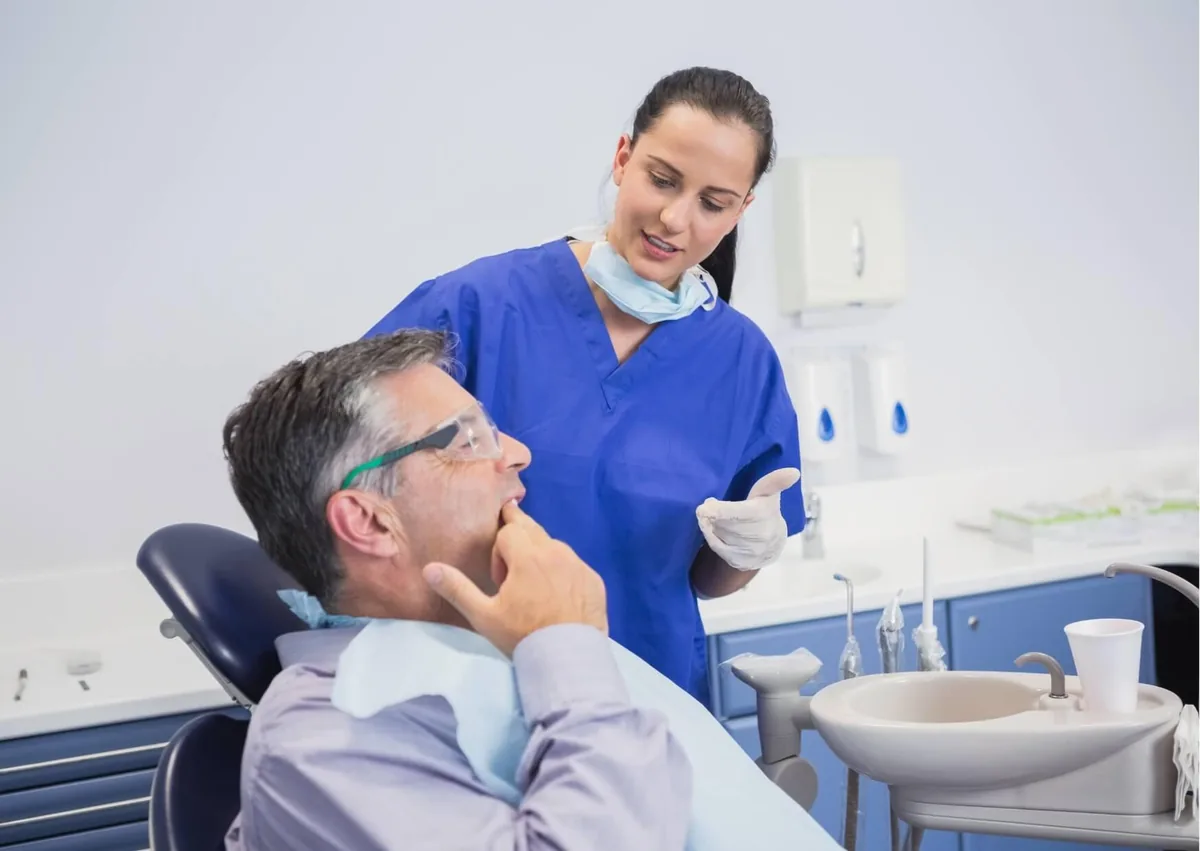
Schedule a dental visit if you notice a tooth looking longer, a notch near the gumline, new root sensitivity, or gums that bleed easily. It is also smart to get checked if recession seems to be spreading or getting worse.
Prompt care is especially important if you have bad breath that does not improve, pain when chewing, pus near the gums, or a loose tooth. These signs can point to infection or more advanced periodontal problems.
Seek urgent dental care for severe pain, rapidly increasing swelling, uncontrolled bleeding, or facial swelling. If you have trouble breathing, trouble swallowing, or major swelling of the face or neck, seek emergency medical care right away.
Even a painless recession is worth evaluating. A dental exam can help determine whether you need monitoring, preventive care, restoration, periodontal treatment, or grafting.
Talk to a team about a dental exam and cleaning to evaluate recession, reduce sensitivity, and get personalized next steps.
Dental Care Center of Hollywood focuses on preventive care in Hollywood, FL and nearby Hallandale Beach and Dania Beach; call (954) 989-5500 or request an appointment online.
Receded gum tissue usually does not grow back by itself. Treatment can often stop or slow further recession, and grafting may restore some coverage in selected cases.
No. Gum disease is one common cause, but brushing too hard, thin tissue, tooth position, grinding, tobacco use, and chronic irritation can also lead to recession.
Yes. Repeated forceful brushing, especially with a hard-bristled toothbrush or abrasive technique, can damage the gumline and wear exposed root surfaces.
Not necessarily. Many cases can be stabilized, and the outlook depends on the cause, the amount of supporting bone, and how well contributing factors are controlled.
The area is numbed during the procedure, and sedation may be available when appropriate. Some tenderness and swelling are common during healing, but the experience varies based on the technique and the graft site.
| Monday | 8:30 AM – 5:30 PM |
| Tuesday | 8:30 AM – 5:30 PM |
| Wednesday | 8:30 AM – 5:30 PM |
| Thursday | 8:30 AM – 5:30 PM |
| Friday | 8:30 AM – 1:30 PM |
| Saturday | Closed |
| Sunday | Closed |