
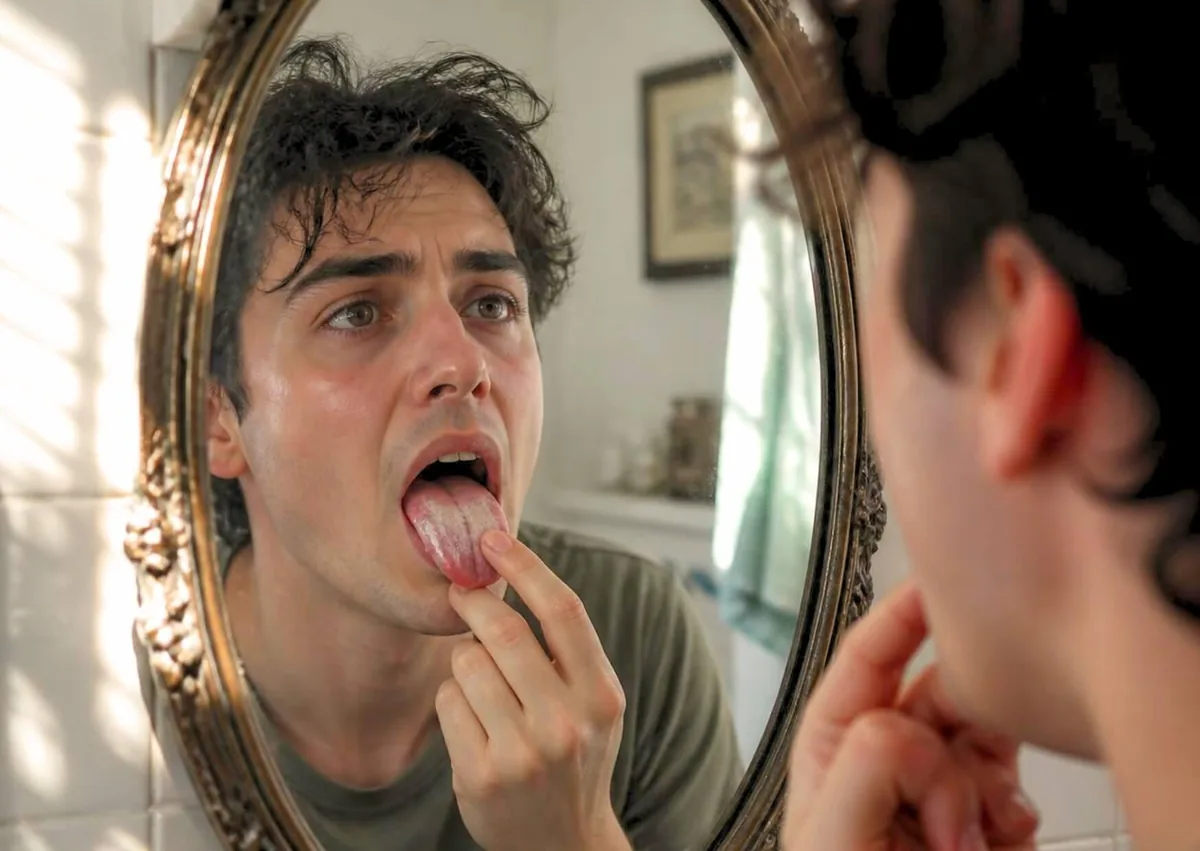
Oral thrush is a yeast infection in the mouth that often causes white patches, redness, burning, soreness, or an altered taste. It is usually treatable, but a dentist or medical clinician should confirm the diagnosis because other oral conditions can look similar, and recurring thrush may point to an underlying health issue.
If you’re concerned that white patches, soreness, or recurring mouth irritation could be oral thrush, a dental exam can confirm the cause and guide targeted care. Dental Care Center of Hollywood in Hollywood, FL offers focused evaluations to identify thrush, check for look‑alike conditions, and coordinate appropriate treatment.
Oral thrush, also called oral candidiasis, happens when Candida yeast grows beyond its usual level in the mouth. Small amounts of Candida can live there normally, but changes in immunity, medications, saliva, or the oral environment can let it overgrow.
Common signs include white or cream-colored patches on the tongue, inner cheeks, gums, tonsils, or roof of the mouth. These patches may wipe away and leave a red, tender surface that can bleed slightly, but they should not be scraped at home.
Some people have more redness than white patches. Other symptoms can include a cottony feeling, burning, cracks at the corners of the mouth, soreness under dentures, trouble eating spicy foods, or discomfort with swallowing.
Oral thrush is more likely when the normal balance of organisms in the mouth changes or the body has a harder time controlling yeast. Common risk factors include:
Using a corticosteroid inhaler without rinsing afterward can leave medication in the mouth and raise the risk. Thrush can also pass between a breastfeeding parent and infant, so both may need evaluation if symptoms are present.
A dentist usually starts by asking about symptoms, medications, inhaler use, dentures, recent illness, and medical conditions. Then the dentist examines the mouth, tongue, throat, denture-bearing tissues, and corners of the lips for patterns that fit oral thrush.
In many cases, the appearance and health history are enough to guide treatment. If the diagnosis is unclear, symptoms keep coming back, or treatment does not help, the clinician may collect a sample for testing or recommend referral to oral pathology.
Oral thrush can resemble irritation, geographic tongue, lichen planus, leukoplakia, or other infections such as an infected tooth. Any white or red area that persists should be professionally examined, especially if it does not wipe away.
Treatment depends on how severe the symptoms are, the likely cause, and whether the infection is limited to the mouth. Prescription antifungal medicine may be used in the mouth or taken by mouth, depending on the situation.
The best plan also addresses the reason the thrush developed. That may mean improving denture hygiene, managing dry mouth, reviewing inhaler technique, or coordinating care for a medical condition such as diabetes.
|
Approach |
When It May Be Considered |
What It Addresses |
|---|---|---|
|
Topical antifungal medicine |
Many uncomplicated oral cases |
Treats yeast directly in the mouth |
|
Systemic antifungal medicine |
More extensive, persistent, or higher-risk cases |
Treats infection through the bloodstream |
|
Denture care and adjustment |
Thrush under or around dentures |
Reduces yeast reservoirs and tissue irritation |
|
Risk-factor management |
Dry mouth, inhaler use, diabetes, or recurring infection |
Helps reduce recurrence |
|
Additional testing or referral |
Unclear, severe, or treatment-resistant symptoms |
Looks for another diagnosis or underlying condition |
Do not use leftover medication or assume every white coating is oral thrush. The right treatment depends on an accurate diagnosis, and some antifungal medicines are not appropriate for every patient.
An oral thrush evaluation is usually brief and noninvasive. The dentist may gently inspect or wipe the area, check saliva flow, examine dentures, and review factors that may be contributing to yeast overgrowth.
Most patients do not need sedation because the exam and sample collection are usually well tolerated. If a separate dental procedure is needed or anxiety makes care harder, comfort measures such as topical numbing, local anesthesia, or sedation may be discussed based on medical history and the planned service.
If the diagnosis is straightforward, a prescription and home-care plan may often be provided the same day. Symptoms may start improving within days, but finishing the full course and returning for follow-up when advised helps confirm the infection has cleared.
Good daily oral hygiene helps reduce plaque and irritation that can make oral thrush harder to control. Brushing, gentle tongue cleaning, interdental cleaning, and routine dental care can all support a healthier oral environment.
Dentures should be removed at night, cleaned as directed, and checked if they rub, feel loose, or trap debris. Poor denture fit can irritate tissues and create places where yeast can persist.
After using a corticosteroid inhaler, rinse with water and spit unless a clinician has given different instructions. A spacer may help some patients, but it is best to ask the prescribing clinician or pharmacist whether one is appropriate.
Managing dry mouth and chronic health conditions can also lower the chance of recurrence. Dentists may coordinate with a primary care clinician when repeated oral thrush may be linked to diabetes, immune suppression, medication effects, or another medical issue.
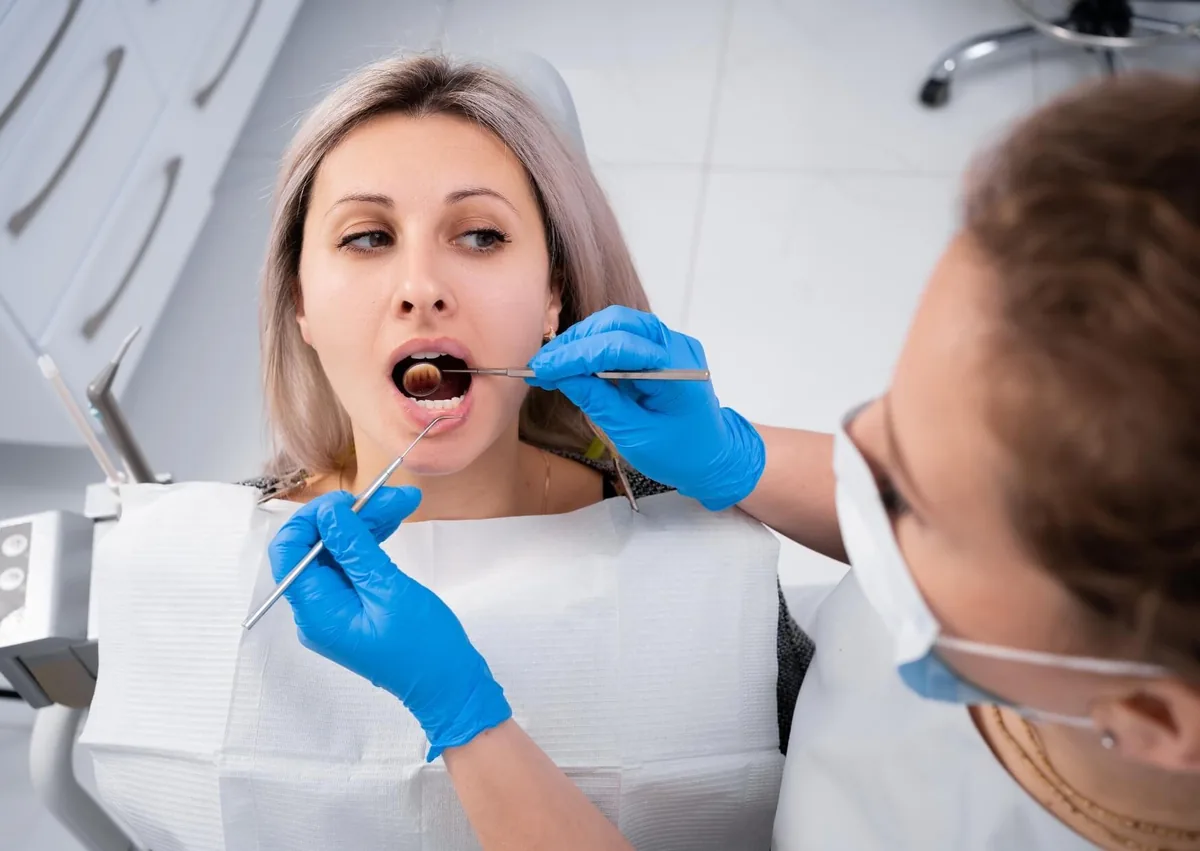
Start with a dentist or medical clinician and a dental exam so the mouth can be examined and your full health history reviewed. Be sure to mention pregnancy, liver or kidney conditions, allergies, immune-system conditions, and all prescription, over-the-counter, and supplemental products before treatment is chosen.
The best treatment plan addresses both the infection and the cause. If oral thrush keeps returning, repeated medication alone may not help for long unless denture hygiene, dry mouth, blood sugar, inhaler technique, or immune health are also evaluated.
Schedule an evaluation if white patches, unexplained redness, burning, altered taste, or denture-related soreness lasts more than several days, gets worse, or comes back after treatment. Earlier care is especially important for infants, medically frail adults, and anyone with diabetes, cancer treatment, HIV, an organ transplant, or other immune suppression.
An oral cancer exam may be appropriate when patches or sores persist and need to be distinguished from precancerous or cancerous changes. Seek prompt medical care for painful or difficult swallowing, fever, dehydration, rapidly worsening symptoms, or a feeling that food is sticking in the throat or chest.
Call 911 for trouble breathing, severe swelling, or another life-threatening symptom. Even mild-looking changes deserve attention when they do not go away or have no clear cause.
For persistent or recurrent symptoms, a dental exam can ensure accurate diagnosis, coordinate antifungal treatment, and address underlying causes like denture fit or dry mouth. Contact Dental Care Center of Hollywood for dental exams and cleanings in Hollywood, FL and nearby Hollywood Hills or Emerald Hills; call (954) 989-5500 to schedule or ask about same-day availability.
Oral thrush is not usually considered highly contagious among healthy adults because Candida already lives in many mouths. It can spread in some situations, including between a breastfeeding parent and infant, but whether infection develops depends heavily on individual risk factors.
A mild case may improve if a temporary trigger resolves, but waiting can prolong discomfort or allow the infection to worsen. Evaluation is especially important when symptoms persist, return, or affect someone with reduced immunity.
Many uncomplicated cases improve within a few days of starting the right treatment, though full resolution can take longer. Recovery depends on severity, the medication used, how closely treatment instructions are followed, and whether the underlying cause is corrected.
No. Scraping can cause pain and bleeding, and it does not treat the yeast or confirm the diagnosis. A clinician can safely determine whether the patches are consistent with oral thrush or another condition.
Standard cosmetic or antiseptic mouthwash is not a substitute for prescribed antifungal treatment. Some alcohol-containing rinses may worsen dryness or irritation, so ask a dentist which oral-care products are best during recovery.
| Monday | 8:30 AM – 5:30 PM |
| Tuesday | 8:30 AM – 5:30 PM |
| Wednesday | 8:30 AM – 5:30 PM |
| Thursday | 8:30 AM – 5:30 PM |
| Friday | 8:30 AM – 1:30 PM |
| Saturday | Closed |
| Sunday | Closed |