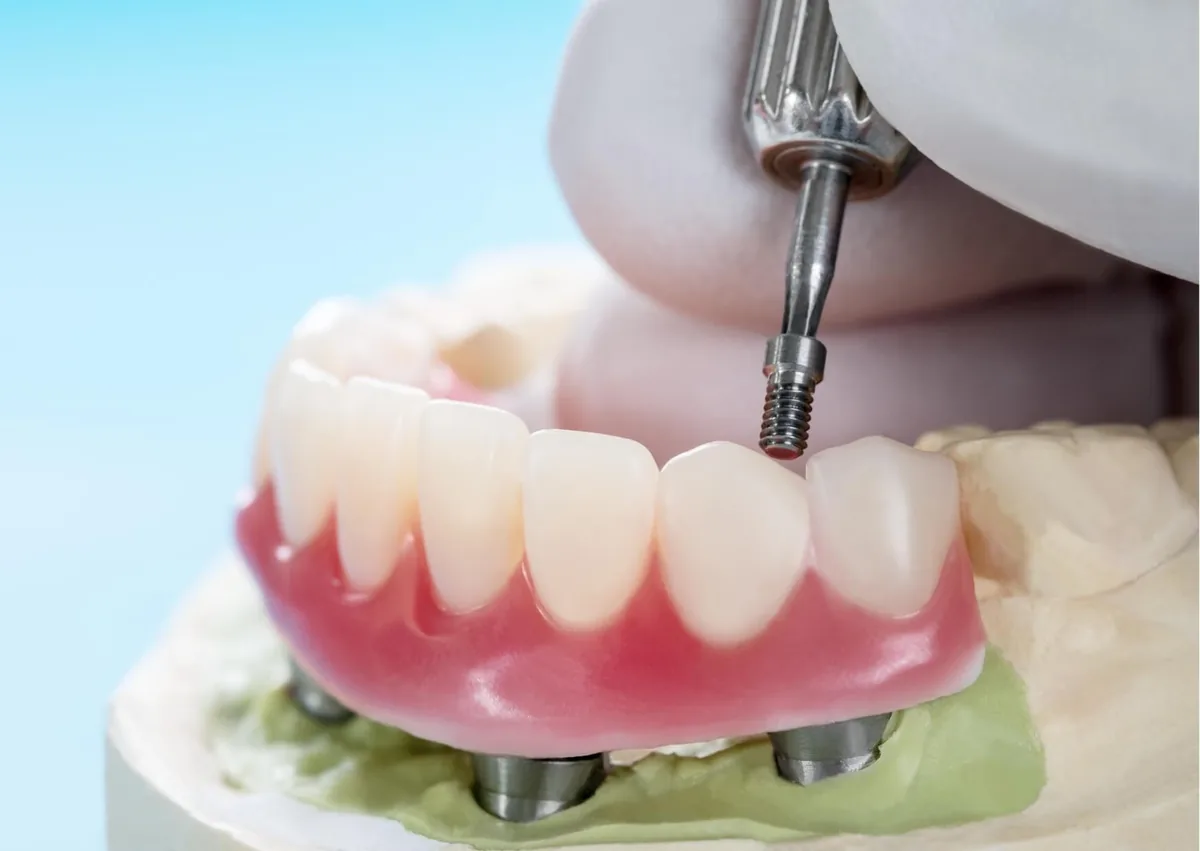
Full mouth dental implants usually cost about $25,000 to $50,000 per arch in the United States. Replacing both the upper and lower arches often totals $50,000 to $100,000 or more, depending on the implant approach, materials, preparatory treatment, sedation, location, and clinician experience.
For a broader view of fees across implant treatment types, see our cost of dental implants.
A personalized exam is the only way to get an accurate estimate because “full mouth implants” can mean several different treatment plans. Insurance may help with some related services, but many plans limit or exclude implant coverage, so it helps to request a written estimate that separates each stage of care.
If you're weighing replacement options for an entire upper or lower set of failing or missing teeth, full-arch dental implants can provide a more stable, long-term alternative to removable teeth. Dental Care Center of Hollywood in Hollywood, FL helps patients compare function, appearance, comfort, and cosmetic goals such as a full smile makeover.
People may need full mouth tooth replacement because of advanced gum disease, severe decay, repeated infections, trauma, or teeth that are too damaged to repair. When many teeth are failing or missing, chewing can become difficult, speech may change, and confidence often drops.
Tooth loss also affects the jawbone and bite. Without tooth roots or implants to stimulate the bone, the jaw can shrink over time, and the remaining teeth may shift or take on too much pressure.
Implants are small posts, usually made of titanium, that are placed in the jaw to support replacement teeth. They do not duplicate natural teeth exactly, but they can provide a stable alternative to removable dentures for the right patient.
The biggest cost factor is the type of restoration. An implant-supported removable denture usually costs less than a fixed bridge that stays attached to the implants and is removed only by a dental professional.
Other factors that can change the total cost include:
A low advertised price may cover only implant placement or only temporary teeth. Ask whether the quote includes imaging, extractions, grafting, sedation, temporary and final teeth, follow-up visits, repairs, and any added fees if the treatment plan changes.
A conventional removable denture is usually the least expensive option and does not require implant surgery. It can restore appearance and basic chewing, but lower dentures often move during eating or speaking, and dentures do not stop ongoing bone loss. For more on traditional options, see our dentures & partials.
An implant-retained overdenture snaps onto implants but is still removed for cleaning. This option often improves stability while using fewer implants, and it may cost less than a fixed full-arch bridge.
A fixed full-arch bridge is secured to several implants. It often feels more stable and less bulky than a removable denture, but it usually costs more and requires enough bone, careful home care, and regular professional maintenance.
Cost-saving and same-day approaches such as All-on-4 implants are often discussed when patients want fewer implants and faster temporary teeth. Published All-on-4 cost averages can help explain why pricing varies by materials, location, and treatment complexity, but they do not replace a personalized estimate.
The best value is not always the lowest starting fee. Longevity, repair needs, cleaning access, bite forces, health conditions, and likely future maintenance all matter. For a broader review of benefits and tradeoffs, see dental implants pros and cons.
The first visit usually includes a medical and dental history, an exam, digital X-rays, and often a cone beam CT scan. The dentist checks bone volume, gum health, bite alignment, smile goals, infection, and the location of nerves and sinuses.
Some health conditions can affect healing and implant success. Uncontrolled diabetes, active gum disease, certain immune or bone disorders, and nicotine use may increase risk, so the dental team may recommend treatment, risk reduction, or medical coordination first.
If treatment is appropriate, you should receive a staged plan and an itemized estimate. In complex cases, the plan should also explain who handles each part of care and who manages long-term follow-up.
Implant treatment is usually done with local anesthetic to numb the area. Depending on your health history, anxiety level, and treatment complexity, sedation may include nitrous oxide, oral sedation, or intravenous sedation, with monitoring and transportation requirements that follow ADA sedation guidelines.
Some patients can receive implants and temporary fixed teeth on the same day. In most cases, “same-day teeth” means a provisional restoration, not the final bridge, and patients usually need a softer diet while the implants heal.
Approaches such as full-arch dental implants and All-on-4 implants may allow same-day temporary teeth in selected cases. However, active infection, limited bone, unstable implant placement, heavy grinding, or certain medical risks may make a staged approach safer.
Implants cannot get cavities, but the gum and bone around them can still become inflamed or infected. Plaque-related inflammation around an implant is called peri-implant disease, and if it is not treated, it can lead to bone loss and implant failure.
Daily cleaning around and under the restoration is essential. A dentist or hygienist may recommend floss threaders, interdental brushes, or a water flosser based on the design of the teeth.
Clenching and grinding can chip replacement teeth or place too much force on implants. A night guard may be recommended, and any loose, worn, or damaged parts should be checked promptly.
Dental insurance may help pay for exams, extractions, dentures, or part of the implant restoration. Even so, annual maximums and exclusions often leave a large out-of-pocket balance.
Medical insurance may sometimes apply when treatment relates to covered trauma, tumors, or congenital conditions. Coverage depends on the policy, the diagnosis, and the documentation required.
Financing can spread payments over time, but terms vary. Compare the total repayment amount, not just the monthly payment.
Before moving forward, ask for the diagnosis, treatment alternatives, implant and restoration details, expected timeline, payment schedule, and warranty or repair policy in writing. Also ask what happens financially if grafting becomes necessary, an implant does not integrate, or a temporary restoration needs repair.
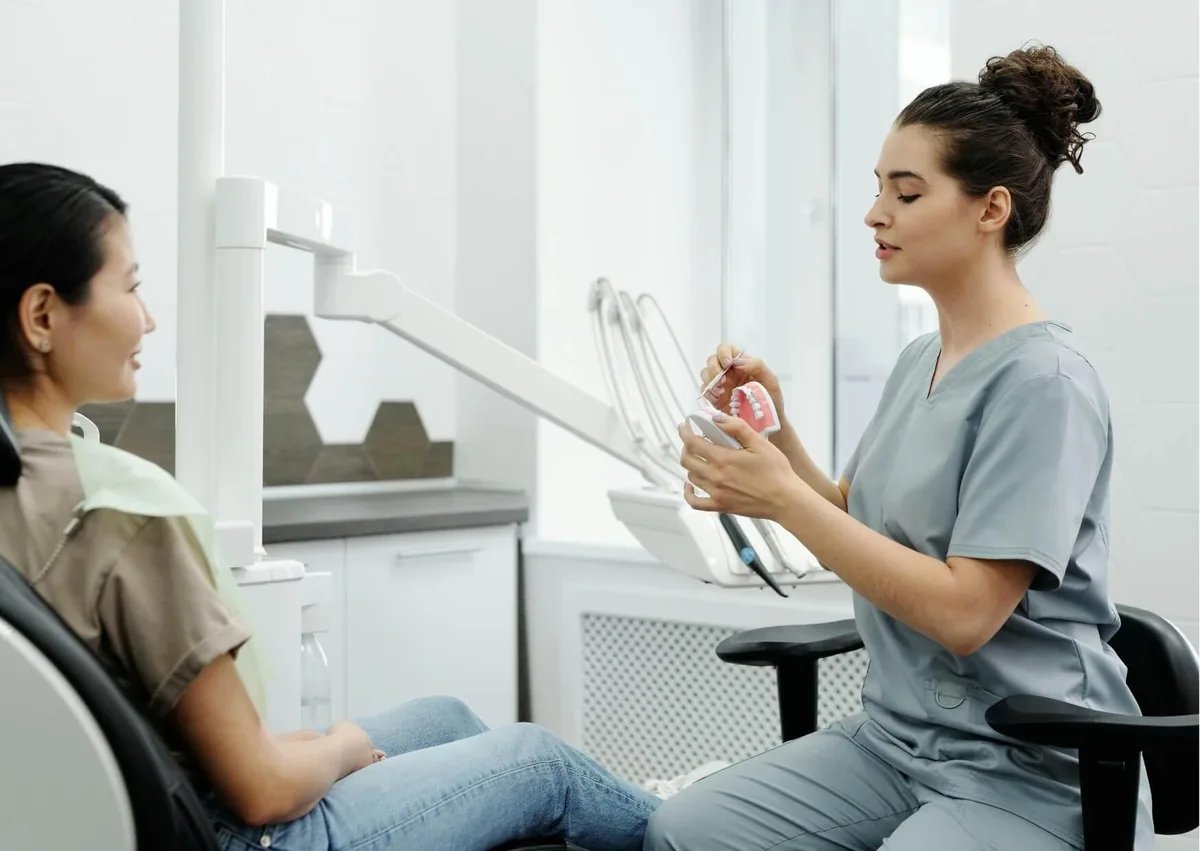
A sound recommendation should explain why a certain number and position of implants fits your anatomy and bite. Be cautious of guarantees, pressure to decide quickly, or treatment proposed without proper imaging and a discussion of alternatives.
Ask about the clinician’s training and experience with full-arch cases and who does dental implants. It is also reasonable to ask who designs and makes the teeth and how complications are handled.
Because full mouth treatment is costly and irreversible, a second opinion can be helpful, especially when recommendations differ a lot. The goal is not just to replace teeth, but to choose a plan that supports long-term comfort, function, and maintenance.
Schedule an evaluation when failing teeth, loose dentures, repeated infections, or trouble chewing starts affecting daily life. Seek prompt dental care for worsening pain, swelling, pus, fever, facial swelling, or a loose implant restoration, and seek emergency medical help if swelling affects breathing or swallowing.
A comprehensive consultation can clarify whether implants are appropriate, which design best supports long-term health, and what the complete cost is likely to be. Bringing your insurance information, medication list, and prior dental records can make that visit more productive.
To get a personalized estimate and a clear plan for fixed arch replacement, arrange a consultation to review imaging, timelines, and financial options. Dental Care Center of Hollywood offers full-arch dental implants in Hollywood, FL and serves patients from Hallandale Beach and Dania Beach; call (954) 989-5500 or book online to begin.
A fixed arch is often supported by four to six implants, but the number depends on bone quality, anatomy, bite forces, and the restoration design. Replacing both arches usually requires separate implant support in the upper and lower jaws.
Some dental plans cover part of the exam, extractions, implants, or prosthetic teeth, while others exclude implants or apply low annual maximums. A predetermination of benefits may help estimate coverage, but it is not always a guarantee of payment.
Some patients receive temporary teeth on the day the implants are placed, but healing and fabrication of the final restoration often take several months. Bone grafting, infection control, or medical risk management can extend the timeline.
Implants can function for many years, but no implant or restoration has a guaranteed lifespan. Hygiene, smoking, health conditions, grinding, bite forces, material wear, and professional maintenance all affect longevity, and the attached teeth may need repair or replacement over time.
Local anesthetic is used to control pain during surgery, and sedation may help with anxiety when appropriate. Some soreness, swelling, and bruising can happen afterward, and the dental team should provide personalized recovery instructions and a contact plan for unexpected symptoms.
| Monday | 8:30 AM – 5:30 PM |
| Tuesday | 8:30 AM – 5:30 PM |
| Wednesday | 8:30 AM – 5:30 PM |
| Thursday | 8:30 AM – 5:30 PM |
| Friday | 8:30 AM – 1:30 PM |
| Saturday | Closed |
| Sunday | Closed |